Beijing and New Delhi Chart New Diplomatic Course as Foreign Ministers Declare Nations Partners Not Rivals
Chinese Foreign Minister Wang Yi has outlined a fresh bilateral consensus established with Indian Prime Minister Narendra Modi. The diplomatic realignment signals a strategic thaw between the Asian giants, prioritizing economic cooperation over geopolitical friction.
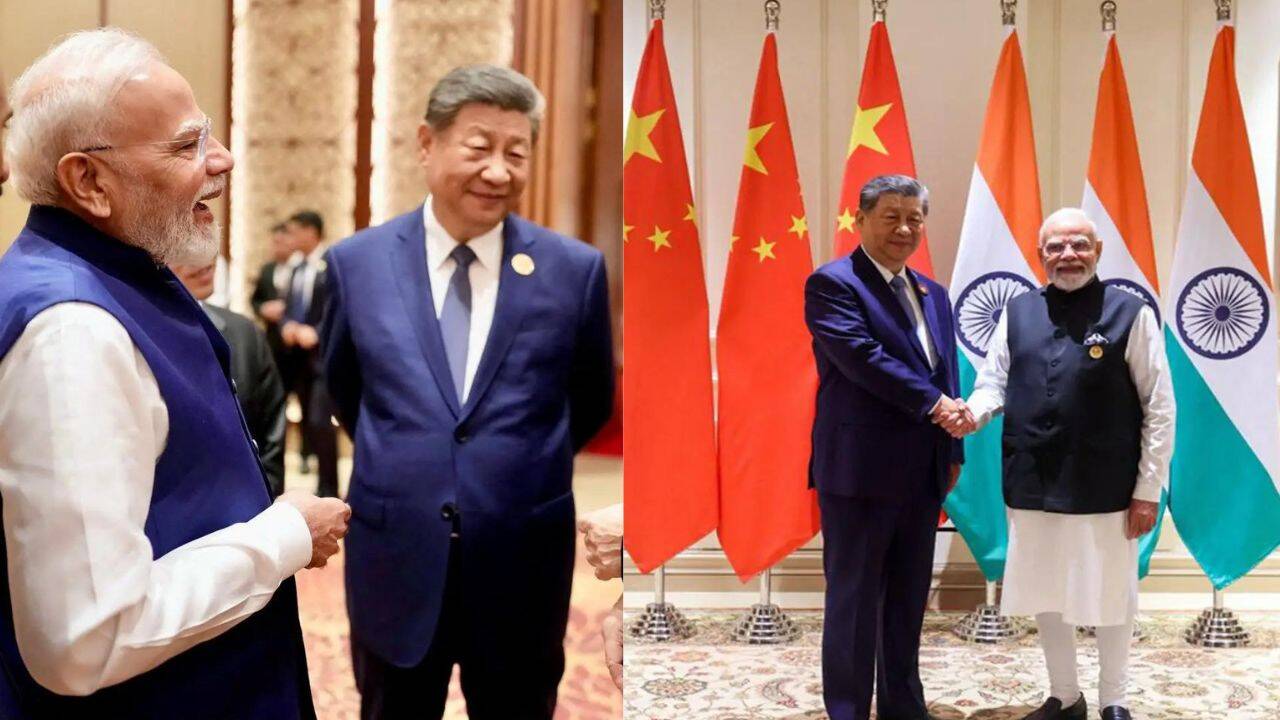
The recent diplomatic overtures between New Delhi and Beijing have yielded a formalized commitment to reframe cross-border relations away from adversarial containment. Foreign Minister Wang Yi articulated a vision where both nations operate as collaborative partners rather than strategic rivals, a rhetorical shift designed to ease lingering military tensions along the disputed Himalayan frontier. This diplomatic pivot follows months of back-channel negotiations aimed at stabilizing regional security and restoring bilateral trade corridors. The underlying motivation stems from shared economic imperatives and the mutual desire to counter western protectionist pressures within global trade frameworks. Both capitals recognize that protracted border friction drains valuable state resources and impedes domestic economic ambitions. However, deep-seated historical mistrust and competing regional ambitions in South Asia continue to generate institutional skepticism among military planners in both countries. The tangible outcome of this detente includes the resumption of high-level diplomatic exchanges, phased troop disengagements, and renewed dialogue on market access for Indian goods in China. While full strategic alignment remains improbable, the immediate economic fallout benefits regional supply chains and reduces the immediate risk of accidental military escalation in border sectors.
Comments 0