Bengaluru Environmentalists Face Defeat as Forty-Year-Old Urban Forest Divided for Infrastructure
Official sanction has been granted to cleave a forty-year-old urban forest in Bengaluru to accommodate a major arterial roadway. The decision overrides sustained community resistance and highlights the persistent friction between urban mobility demands and ecological preservation.
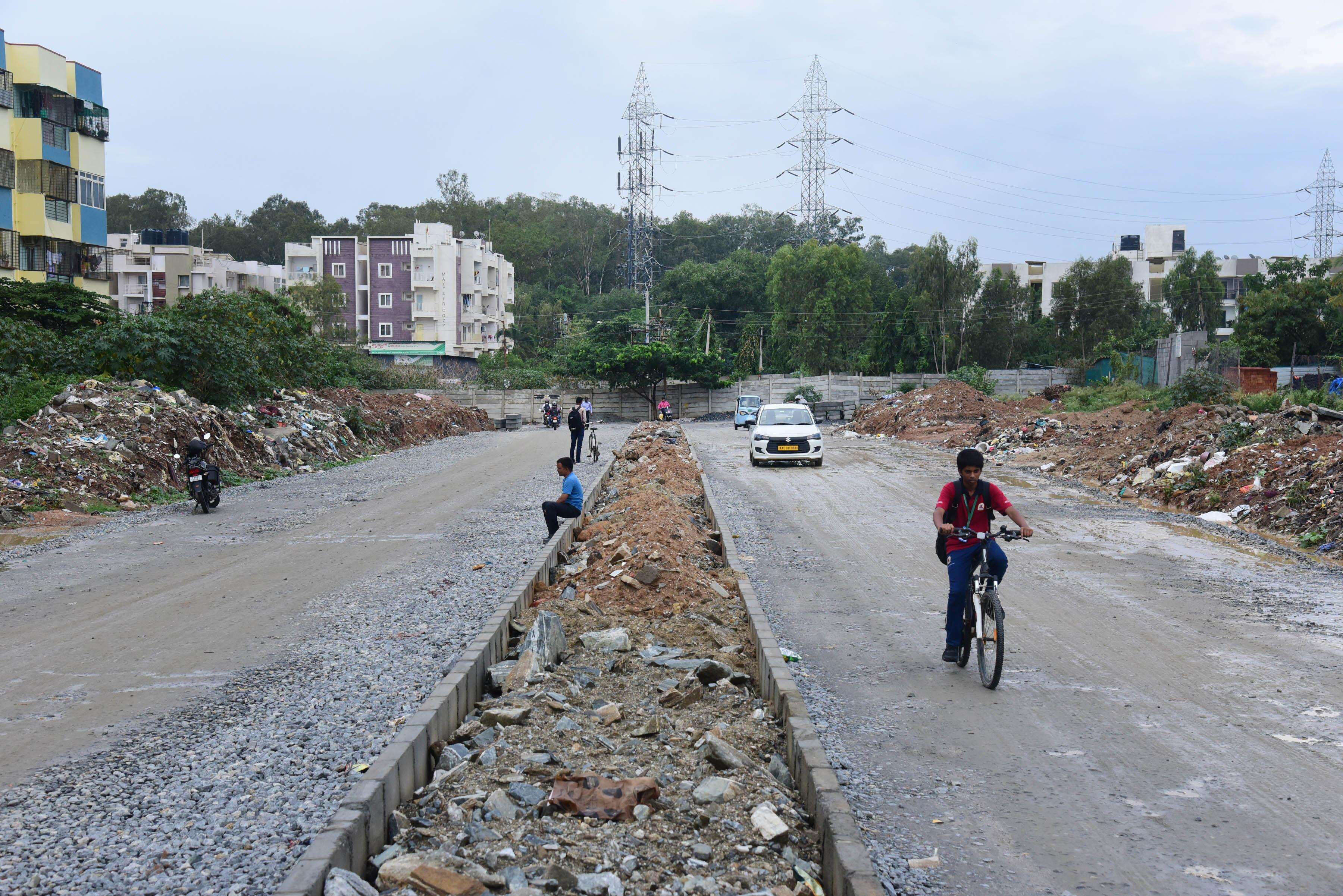
The administrative greenlight for the Panathur peripheral road project concludes years of protracted legal and civic battles over Bengaluru's dwindling green cover. Local resident groups and environmental advocates fought to preserve the mature woodland, citing its role as a micro-climate stabilizer and urban carbon sink. City planners, however, maintained that regional traffic congestion necessitated the direct alignment through the forest canopy. Institutional friction between municipal infrastructure corporations and environmental regulators defines the modern trajectory of India's technology capitals. Environmental impact assessments routinely clash with master plan expediency, leaving citizens caught between ecological preservation and gridlock alleviation. The procedural victory of road expansion agencies demonstrates the systemic bias toward vehicular throughput over environmental sustainability. The immediate consequence involves the destruction of a localized ecosystem and the permanent alteration of neighborhood hydrology. While commuters may experience marginal reductions in travel times once construction concludes, the city loses another irreplaceable natural buffer against urban heat islands and stormwater flooding.
Comments 0