Dietary Politics and Public Identity: The Cultural Battleground of West Bengal Cuisine
Political figures in West Bengal have turned traditional dietary customs during Durga Puja into a high-profile ideological debate. This convergence of faith, food, and regional identity highlights how everyday cultural practices are weaponized for electoral mobilization.
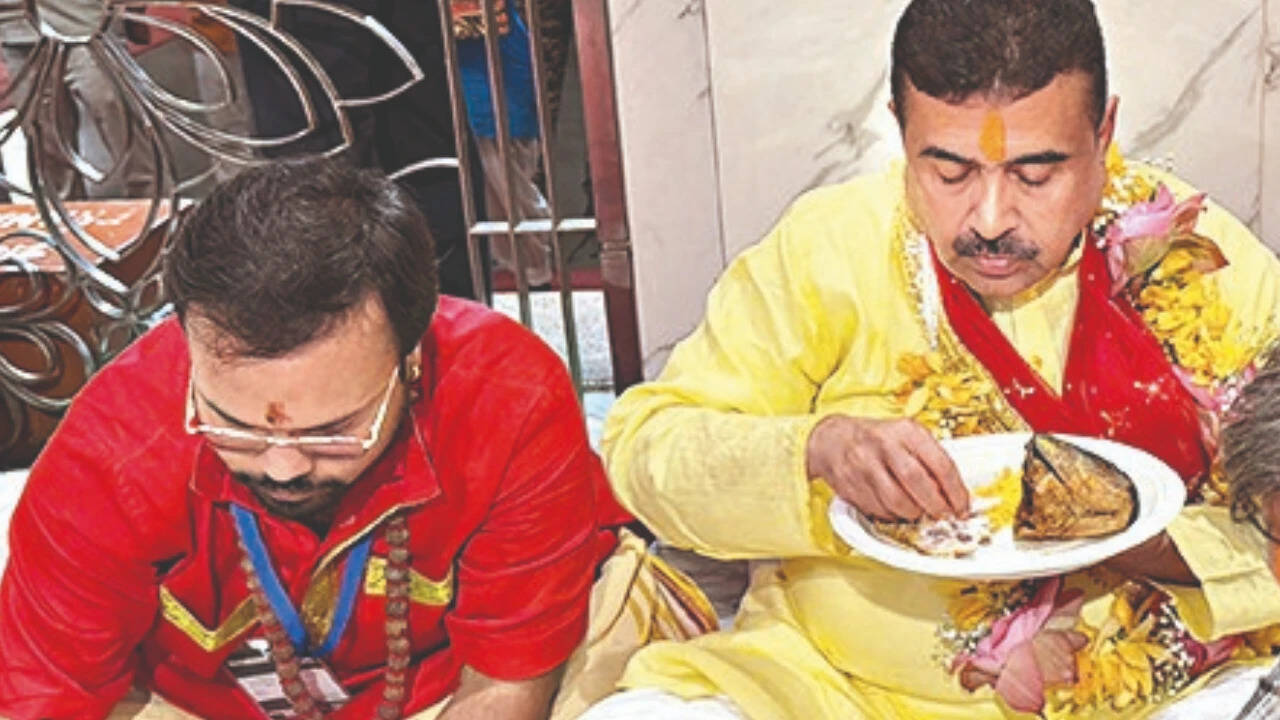
Foodways in India have rarely remained purely private matters, functioning instead as potent markers of community identity, religious orthodoxy, and political allegiance. Amidst the festive fervor of Durga Puja, regional political leaders have increasingly used traditional community meals and dietary choices to signal cultural authenticity. Public consumption of traditional festive bhog by opposition figures directly challenges attempts to homogenize regional Hindu traditions along rigid ideological lines. The underlying tension exposes a growing struggle over who holds the moral authority to define authentic regional culture in West Bengal. Traditional syncretic dietary practices, particularly the consumption of fish among Bengali Hindus of all backgrounds, collide with imported pan-Indian dietary policing. Political actors seize upon these cultural nuances to paint adversaries as culturally alien or authoritarian, converting culinary habits into ideological litmus tests. The tangible outcome of this cultural sparring is the hardening of communal fault lines just ahead of critical electoral cycles. Local food vendors and traditional fishermen find their livelihoods entangled in partisan rhetoric, while everyday citizens face increasing pressure to conform to performative displays of piety. Ultimately, this politicization of the dinner plate threatens to erode the pluralistic social fabric that historically defined the state festive calendar.
Comments 0