Diplomatic Blind Spots and the Measured Surge in Urban Air Pollution
The cessation of particulate monitoring programs at American diplomatic outposts has triggered a measurable surge in localized air pollution. Independent researchers attribute a twenty four to thirty three percent jump in ambient pollutants directly to the absence of public accountability metrics.
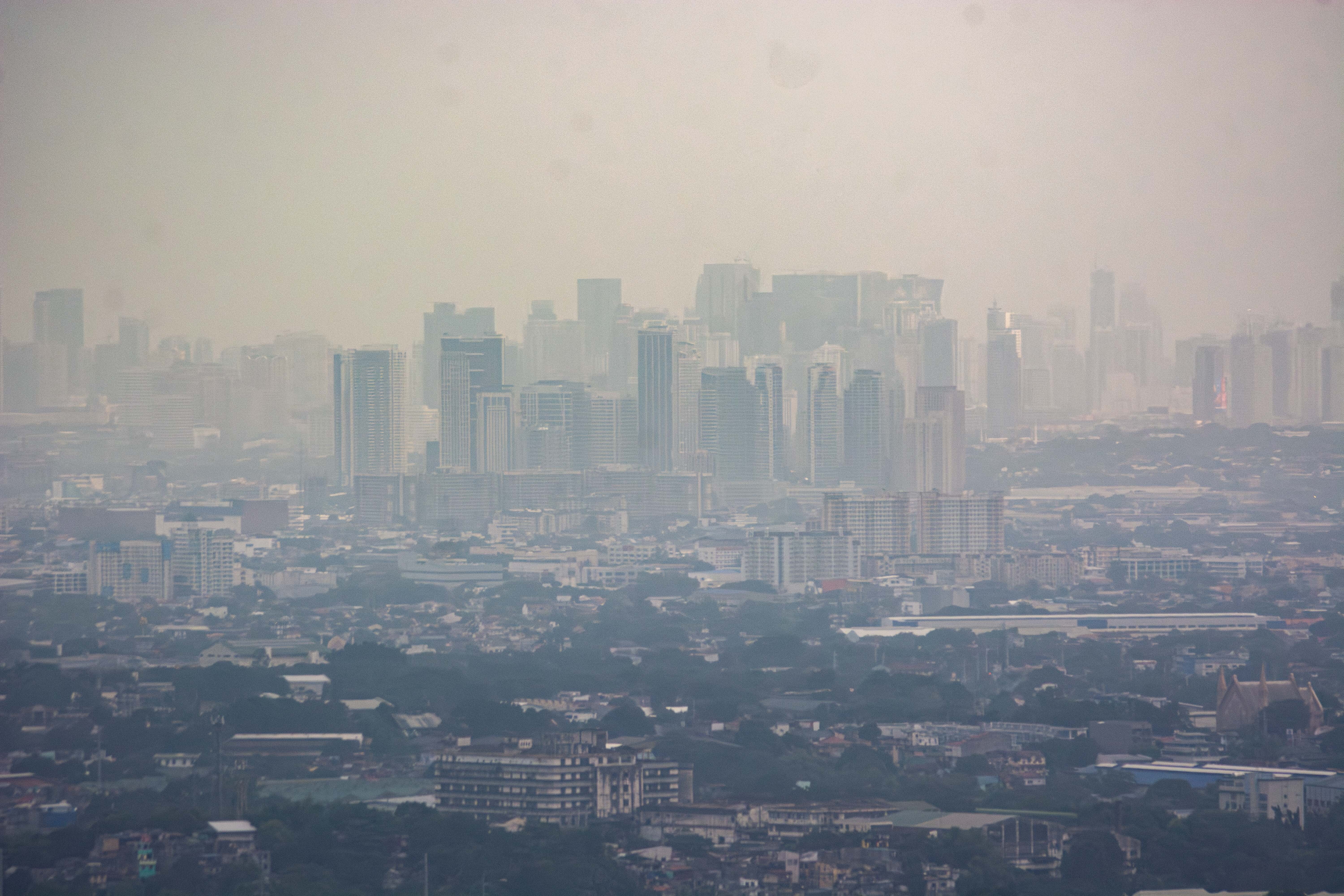
When diplomatic missions quietly dismantled their continuous particulate monitoring networks, local environmental agencies lost a vital, independent benchmark for urban air quality. For years, these embassy readings served as an uncorrupted public record in regions where official state data often suffered from political filtering or administrative neglect. The removal of these public data streams effectively erased the transparency mechanisms that previously compelled municipal authorities to enforce industrial emissions controls. This monitoring vacuum highlights the uncomfortable intersection between geopolitical withdrawal and environmental degradation in developing urban centers. Foreign policy decisions made in distant capitals routinely generate unintended externalities that manifest locally as compromised public health and degraded atmospheric conditions. Without reliable, independent ground level data, civil society organizations lose the evidentiary foundation required to mount effective legal challenges against polluting industries and municipal inaction.
Failing municipal health systems absorb the immediate human cost of this monitoring vacuum through rising hospital admissions for respiratory and cardiovascular ailments. Vulnerable urban populations bear the heaviest physical burden, while municipal leaders escape immediate political accountability for failing to curb vehicular and industrial emissions. The systemic outcome is a reversion to opaque environmental governance where citizens remain blind to the invisible toxins saturating their air.
Comments 0