Infrastructure Deficits in Public Healthcare
Recent data reveals that Telangana operates a single government-run MRI scanner for every 4.2 million residents. This glaring diagnostic deficit exposes severe structural strains within the public healthcare delivery network.
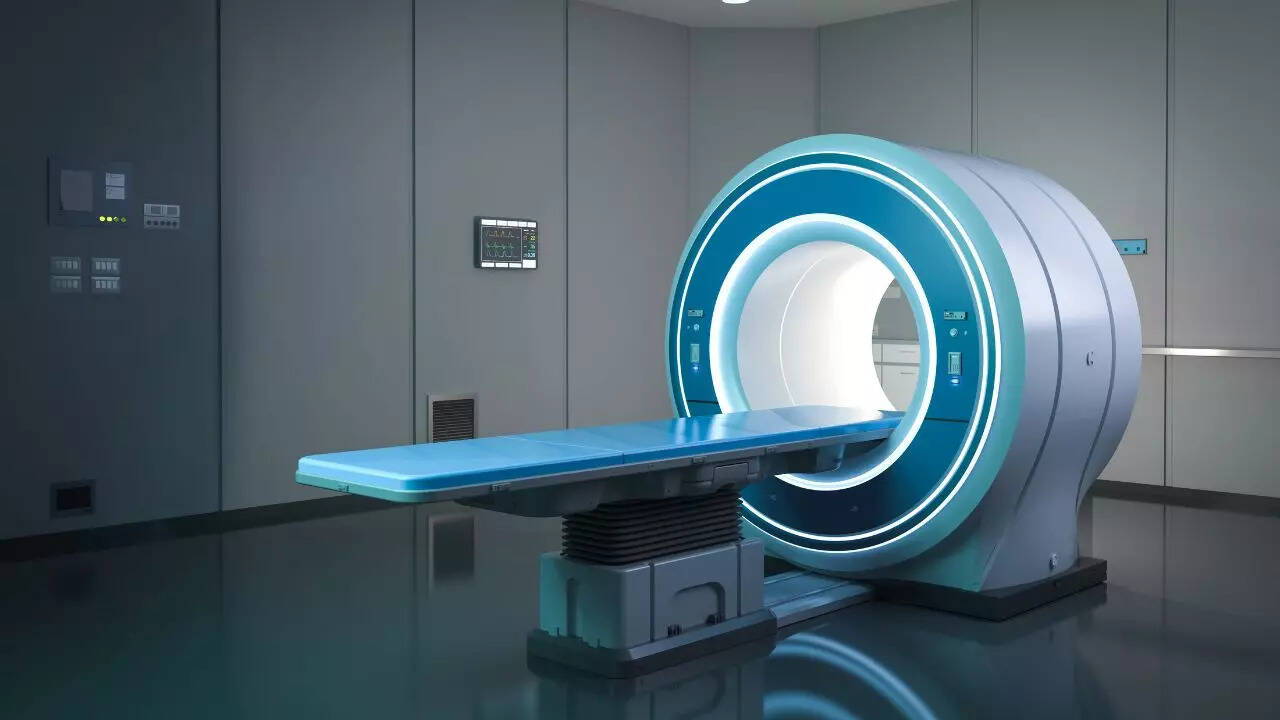
Official health sector data from Telangana has laid bare a stark disparity in state-funded medical infrastructure. With only one operational government MRI scanner for a population exceeding four million people, advanced diagnostic imaging remains severely restricted for underprivileged citizens. Patients requiring critical neurological or oncological scans face agonizing wait times or are forced into expensive private diagnostic facilities. This diagnostic bottleneck highlights chronic underfunding and bureaucratic inertia within state health administration. While budgetary allocations frequently prioritize flashy tertiary care inaugurations, foundational diagnostic equipment maintenance and procurement lag behind demographic expansion. Public hospital administrators find themselves rationing essential imaging slots, triggering intense ethical dilemmas among medical professionals. The ultimate casualties of this infrastructure failure are low-income patients who fall into debt trying to afford private diagnostic scans. The downstream outcome is delayed disease detection, leading to higher morbidity rates for chronic conditions that could have been managed with early imaging. Structural healthcare reform remains stalled as state budgets struggle to reconcile basic operational costs with advanced technological demands.
Comments 0