Judicial Fatigue and the Final Ultimatum on Prolonged Financial Default
The Supreme Court has issued a final ultimatum to actor Rajpal Yadav to deposit two crore rupees in long standing financial litigation. The bench dismissed theatrical appeals, signaling zero tolerance for protracted legal delays in commercial dispute resolution.
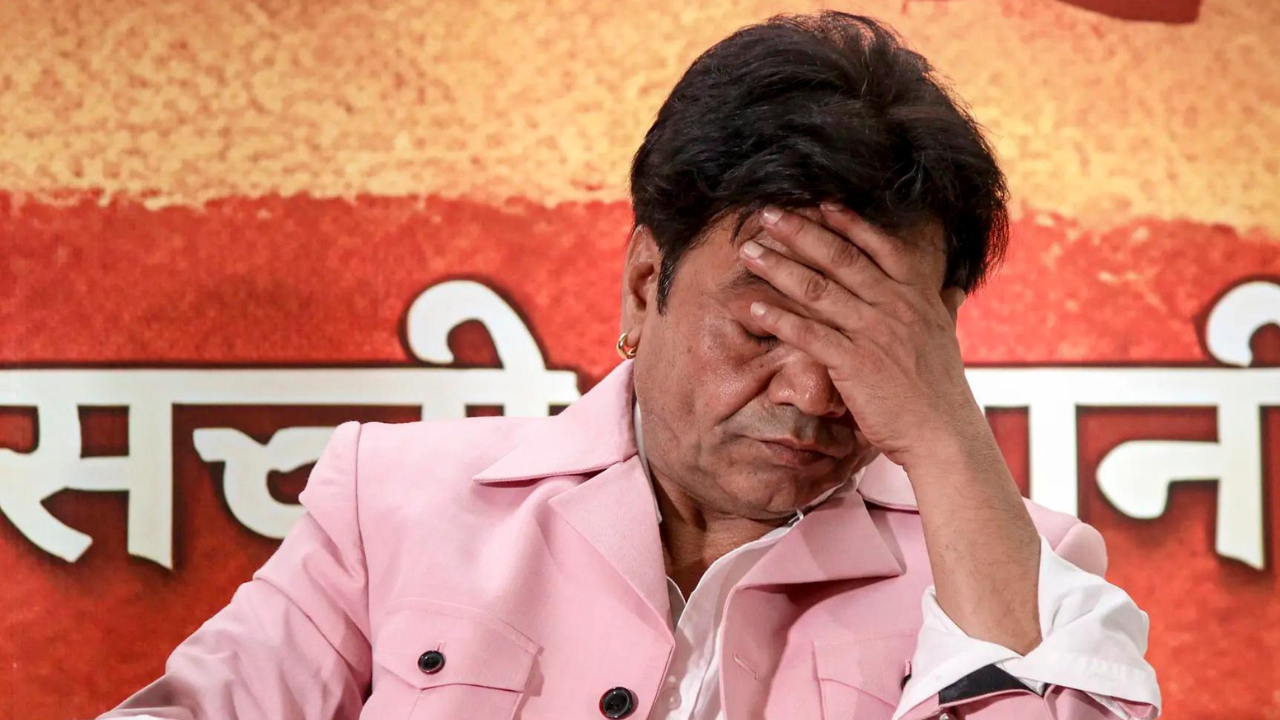
The nation's highest court has signaled a decisive shift away from protracted litigation cycles in high profile commercial and financial disputes. Expressing open exasperation with theatrical delays and unfulfilled settlement undertakings, the bench established an absolute deadline for financial compliance. This intervention underscores a growing institutional impatience with litigants who exploit procedural loopholes to evade debt obligations over extended judicial terms. Commercial jurisprudence in India has historically suffered from systemic backlog, allowing affluent litigants to defer execution orders through endless appellate maneuvers. The Supreme Court's intervention serves as a pointed reminder that the sanctity of financial contracts and court directed settlements must be upheld to maintain market integrity. Lower tribunals are likely to interpret this firm posture as an administrative cue to tighten compliance timelines for commercial defaulters. The immediate casualty of this judicial strictness is the culture of prolonged impunity long enjoyed by well connected debtors facing adverse financial judgments. Creditors gain a renewed sense of legal predictability, though the broader judicial system remains burdened by structural delays across subordinate courts. The systemic outcome is a gradual strengthening of contract enforcement mechanisms, which remains a vital prerequisite for expanding institutional investment in commercial sectors.
Comments 0