Judicial Reckoning in the Capital Aftermath
A Delhi court has convicted five individuals for rioting and assaulting law enforcement during the 2020 northeast capital violence. While the ruling validates charges of obstructing public duty, it exposes evidentiary gaps surrounding accompanying arson counts.
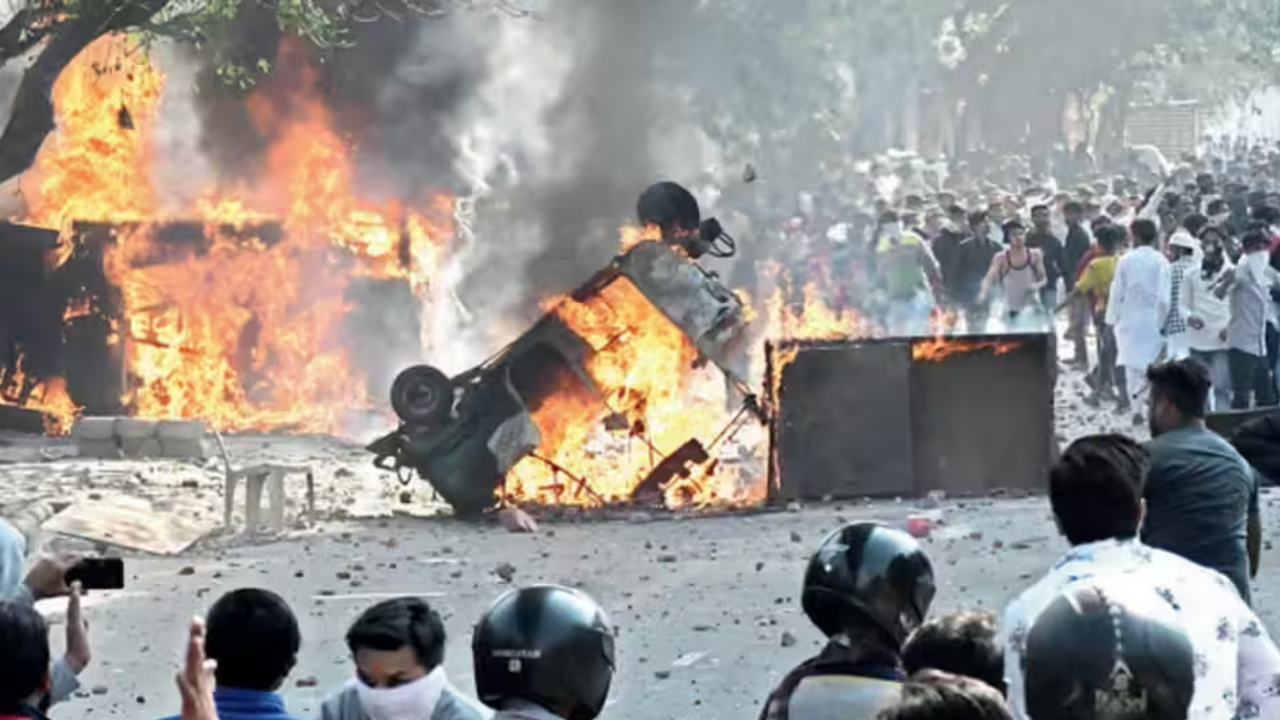
The corridors of the capital judiciary witnessed a sobering moment as five defendants were formally found guilty of orchestrating mob violence and physical assault against police personnel stationed near the Bhajanpura fuel station. Magistrate proceedings combed through years of witness testimony and forensic logs, establishing beyond reasonable doubt that the accused actively participated in the localized breakdown of civic order. The prosecution relied heavily on video footage and spot identification memos to anchor the core convictions, marking a specific milestone in the sprawling docket of riot-related cases. Yet the judgment carried notable analytical reservations regarding the prosecution's broader narrative. The presiding judge dismantled several arson allegations tied to the petrol station site, citing contradictory witness accounts and a failure by investigators to secure unbroken chain-of-custody documentation for material evidence. This dichotomy between proved assault charges and unproven property destruction highlights recurring structural vulnerabilities within municipal investigative frameworks, where initial chaos often compromises the collection of airtight forensic proof. For the broader legal establishment, the verdict underscores the arduous pace of accountability in urban sectarian conflict while illustrating the stringent thresholds required for felony convictions. The immediate fallout leaves the convicted individuals facing severe custodial sentencing, while the police department confronts renewed scrutiny regarding its evidence-gathering protocols during high-stress operational deployments. Institutional credibility now hinges on how appellate authorities interpret these evidentiary nuances in subsequent review petitions.
Comments 0