Karnataka Chief Minister Warns Against Authoritarian Drift in Governance
Karnataka Chief Minister D.K. Shivakumar has issued a stern public warning regarding administrative overreach, asserting that public fear of the state transforms democracy into authoritarianism. The remarks highlight growing debates over executive power within regional governance.
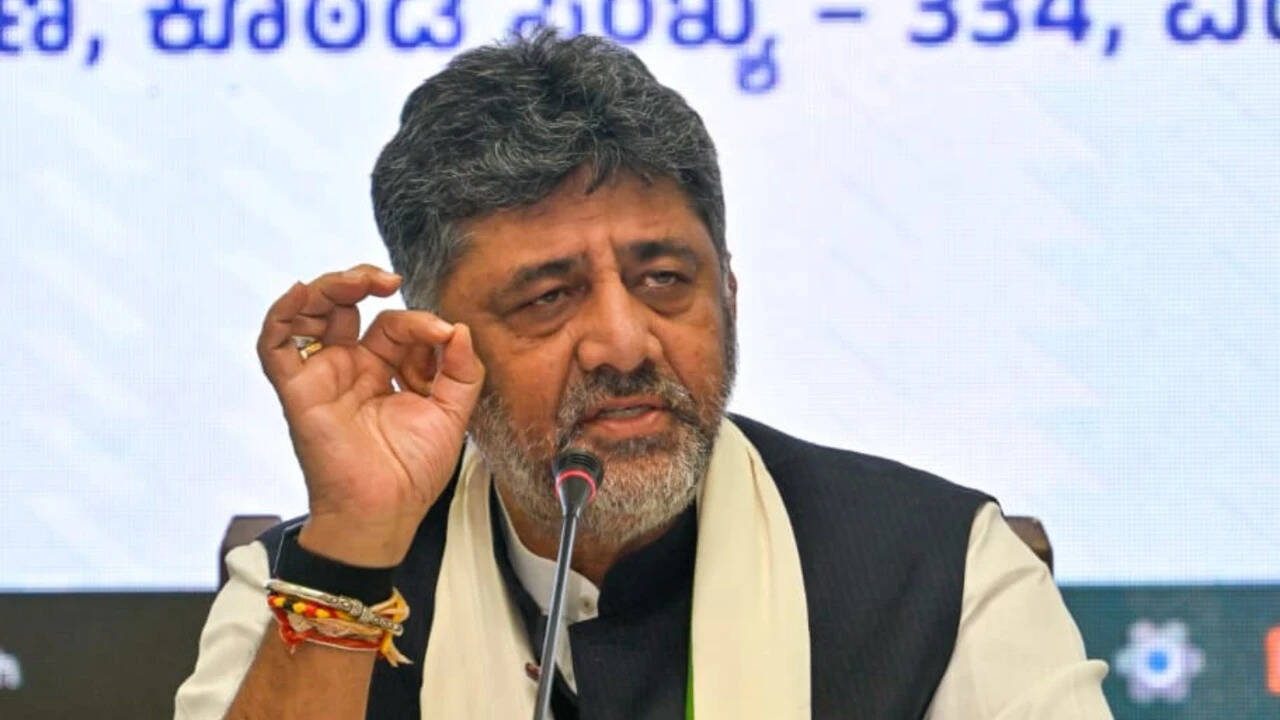
Speaking before a packed civic assembly in Bengaluru, the senior politician cautioned that democratic governance loses its legitimacy the moment citizens begin to fear state apparatuses. The remarks touch upon a sensitive nerve in contemporary Indian politics, where enforcement agencies and executive decrees frequently overshadow legislative deliberation and civic consultation. Shivakumar emphasized that accountability must flow upward from the populace rather than downward through bureaucratic coercion. This ideological posture reflects the delicate balancing act performed by regional leaders caught between central administrative pressure and their own democratic rhetoric. While state governments wield extensive police and regulatory powers, opposition figures frequently utilize the language of civil liberties to critique federal overreach. The tension reveals the systemic friction inherent in India's federal structure, where local administrations navigate both central directives and local democratic expectations. The immediate fallout of these remarks is a renewed public conversation regarding the expansion of police powers and surveillance infrastructure within southern urban centers. Civil society organizations gain rhetorical leverage to challenge heavy-handed municipal policies, while political opponents scrutinize the state administration's own record on civil liberties. The long-term impact encourages a more robust defense of regional autonomy against centralizing administrative trends.
Comments 0