Mumbai Grapples With Civic Logistical Realignment During Ganesh Chaturthi Celebrations
The financial capital suspended standard commercial and administrative operations as millions of devotees observed the grand commencement of Ganesh Chaturthi. While financial markets and educational institutions closed, transport authorities deployed extended metro schedules to manage massive public congregations.
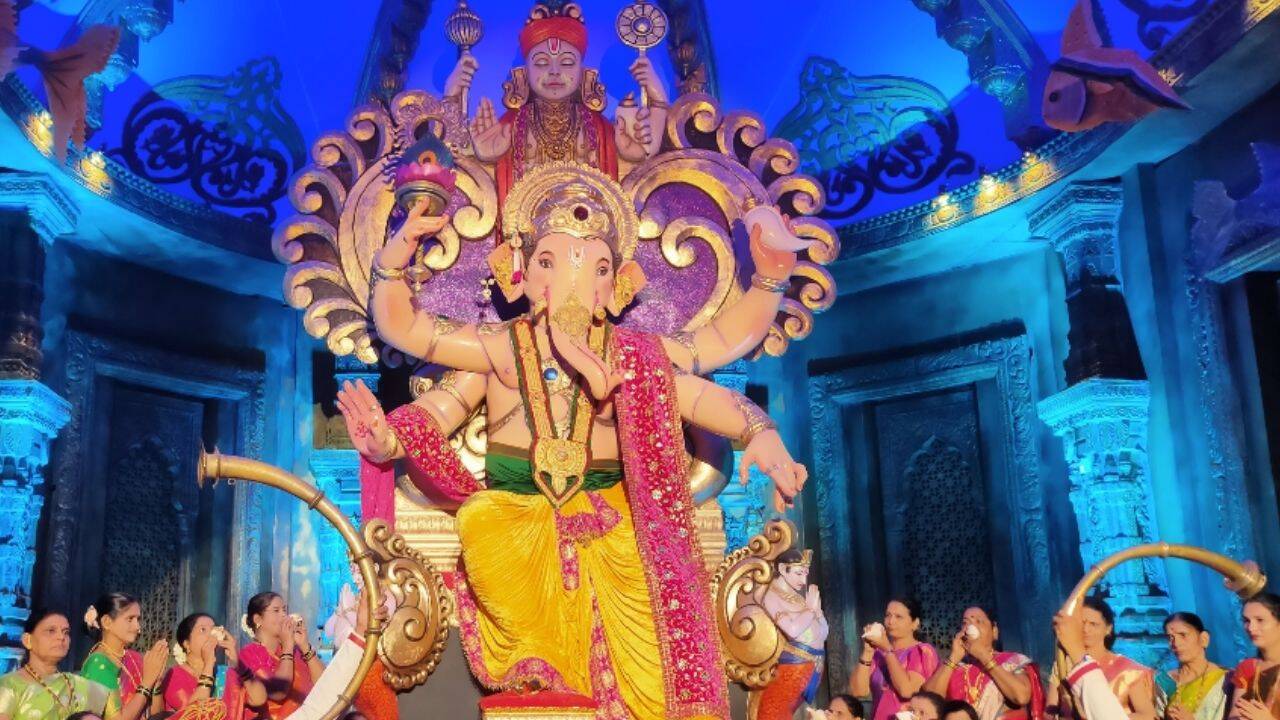
Mumbai underwent its annual metabolic transformation as the metropolis embraced the multi-day festivities of Ganesh Chaturthi. Stock exchanges, commercial banks, and municipal administrative offices shuttered their doors, directing institutional focus toward communal celebration. Simultaneously, public transport networks activated contingency protocols, keeping suburban rail systems running and extending metro operating hours deep into the night to accommodate the unprecedented influx of participants moving toward immersion sites and neighborhood pandals. This grand logistical choreography highlights the delicate balance between maintaining India's financial productivity and honoring entrenched cultural traditions. While corporate entities absorb scheduled pauses in trading and manufacturing output, municipal authorities must coordinate sanitation, crowd control, and emergency medical services across dense urban wards. The festival period serves as a stress test for municipal infrastructure, revealing both the resilience of public networks and the acute strain placed on urban drainage and traffic management systems. The immediate economic consequence is a temporary deceleration in industrial output countered by a massive surge in retail, hospitality, and devotional commerce. Small vendors and hospitality providers capture significant revenue streams, offsetting the macroeconomic pause in corporate activity. Ultimately, the successful execution of the holiday logistics reinforces the city's unique capacity to absorb monumental cultural events without suffering systemic administrative collapse.
Comments 0