Mumbai Railway Heritage Marks Over a Century of Subcontinental Transit Evolution
Historians and urban planners commemorate the departure of India's inaugural commercial passenger train from Bori Bunder to Thane in 1853. The foundational steam journey established a continental rail network that transformed economic geography.
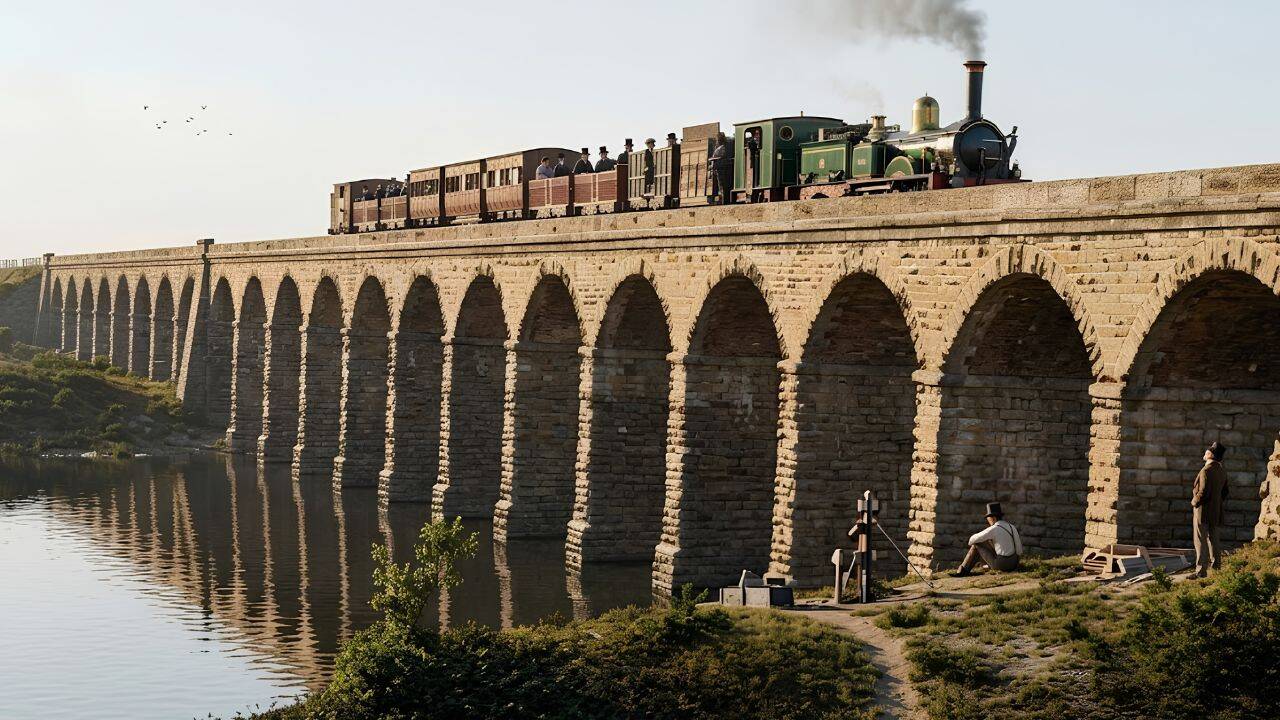
The colonial administration inaugurated the subcontinent's first passenger rail service on April 16, 1853, covering the distance between Mumbai and Thane in roughly seventy-five minutes. Commissioned by the Great Indian Peninsula Railway, the steam-powered run initiated an infrastructural revolution that reshaped trade routes, labor migration, and military logistics across British India. The steel tracks connected interior raw material extraction hubs directly to maritime export terminals. Modern rail analysts view the legacy of this initial trunk line through the dual lens of imperial exploitation and foundational national integration. While the network was engineered to extract wealth and project military control, it subsequently provided the physical skeleton for a unified domestic market and mass citizen mobility post-independence. Contemporary Indian Railways remains the world's largest employer and logistical backbone, struggling constantly with modernization demands and capacity constraints. Commemorating the original Bori Bunder journey underscores the immense scale of infrastructural scaling required to sustain a rising global economy.
Comments 0