Omar Abdullah Commends Diplomatic Gains at BRICS While Criticizing Domestic Uniform Civil Code Proposals
Jammu and Kashmir Chief Minister Omar Abdullah praised India's diplomatic posture following the BRICS summit condemnation of the Pahalgam attack. Simultaneously, he voiced strong domestic objections to the central government's proposed Uniform Civil Code.
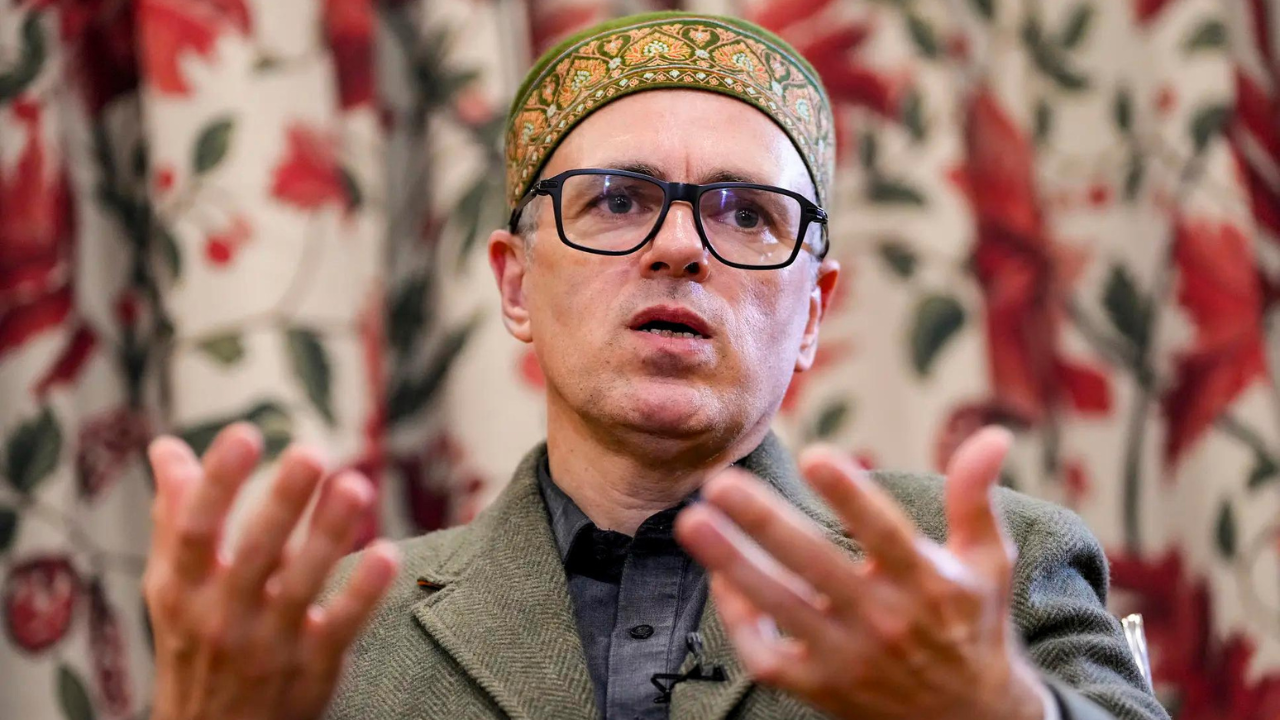
Jammu and Kashmir Chief Minister Omar Abdullah addressed state policy outcomes, offering a nuanced assessment of federal governance. He commended the Ministry of External Affairs for successfully securing a multilateral condemnation of the Pahalgam terrorist incident within the joint BRICS declaration. This diplomatic maneuver represents a notable victory for India's foreign policy apparatus in isolating state-sponsored terror networks on international platforms. However, Abdullah sharply pivoted to domestic legislative concerns, mounting a vigorous defense of regional pluralism against central policy harmonization. His opposition to the Uniform Civil Code highlights ongoing constitutional friction between regional identity protection and national legal standardization. State political actors perceive the proposed code as an encroachment on customary minority laws, setting the stage for protracted legislative and judicial battles. This bifurcated stance strengthens the administration's international credibility while cementing regional political resistance ahead of upcoming legislative sessions. The federal government must navigate these domestic fault lines carefully to prevent alienation within sensitive border regions while pursuing broader administrative integration reforms.
Comments 0