Philanthropic Resiliency and Cinematic Mythmaking in Maharashtra
Industry recollections highlighting veteran actor Nana Patekar's rejection of luxury acquisitions in favor of direct agrarian relief underscored alternate models of celebrity wealth distribution. This narrative counters pervasive materialism within the entertainment industry.
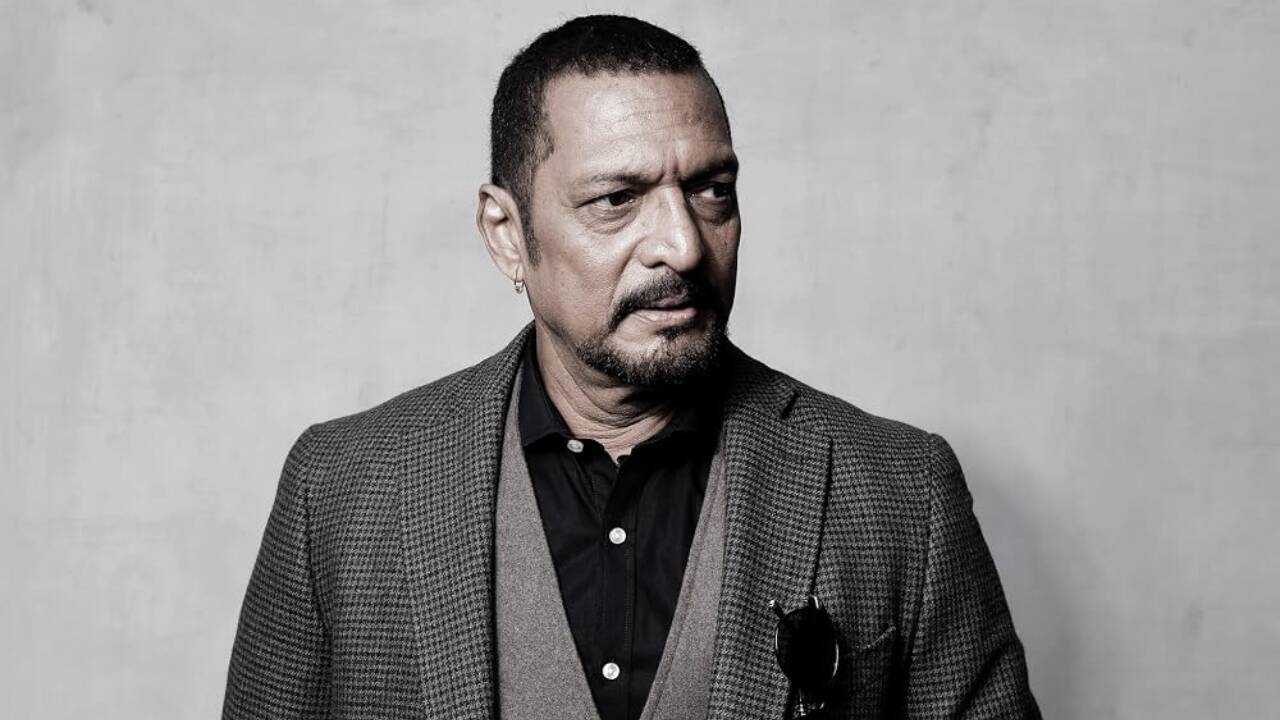
The cultural economy of the Indian film industry is frequently defined by conspicuous consumption, multimillion-dollar asset acquisitions, and extravagant lifestyle branding. Public discourse was redirected when archival accounts revealed a prominent actor choosing to liquidate funds slated for luxury vehicles to directly finance drought-stricken farmers in rural Maharashtra. This ideological rejection of commercial excess challenges the prevailing ethos of celebrity culture. Underneath the cinematic gloss lies an acute agrarian crisis across the rural belt, where recurring droughts and predatory lending drive systemic rural distress. Celebrities attempting philanthropic interventions often encounter bureaucratic paralysis and skepticism from farming communities exhausted by empty political promises. The tension between urban wealth accumulation and rural destitution creates persistent moral friction for public figures operating in entertainment hubs like Mumbai. The immediate cultural consequence is a temporary realignment of public perception regarding artistic integrity versus commercial superficiality. While such acts do not resolve structural agrarian poverty, they redirect private capital toward grassroots relief networks outside state machinery. The long-term impact is a shifting expectation from fans, who increasingly demand tangible social accountability from cultural icons.
Comments 0