Predatory Microcredit Enforcement and the Rise of Coerced Labour in Uttar Pradesh
A young resident of Lucknow was allegedly held hostage and forced into manual labor by predatory lenders enforcing overdue mobile phone EMI payments. Family members reported that the victim's physical distress extended to forced blood extraction to satisfy debt obligations.
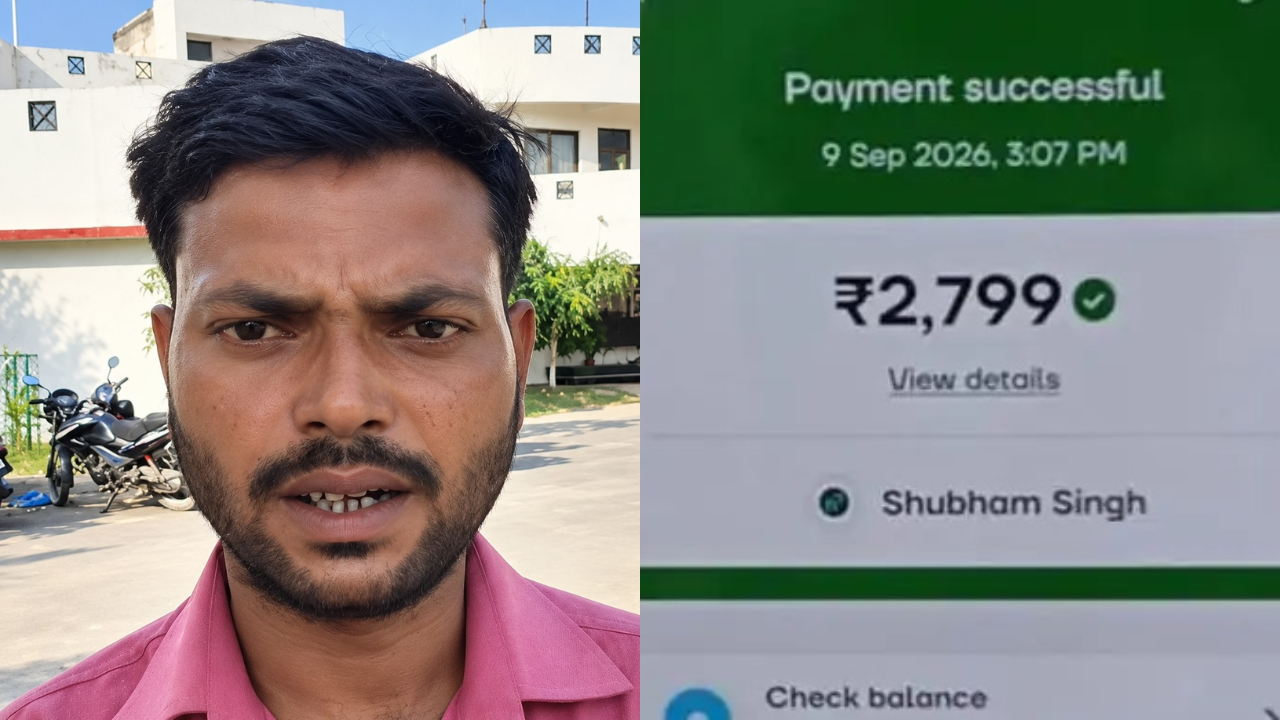
The unregulated underbelly of consumer financing in northern urban centers has exposed systemic failures in consumer protection enforcement. Easy credit availability for low income households frequently masks predatory recovery operations run by unregistered collection agencies operating outside formal banking oversight. When borrowers default on small electronic loan installments, these entities resort to unlawful detention, intimidation, and physical coercion without fear of immediate municipal intervention. This predatory lending ecosystem thrives in the shadow of formal financial inclusion initiatives that fail to provide adequate consumer redress mechanisms for vulnerable populations. Traditional banking institutions maintain stringent lending criteria, driving cash strapped individuals toward fringe financing operations that advertise instantaneous credit with minimal documentation. Local law enforcement agencies often treat these incidents as isolated civil disputes rather than organized criminal extortion, allowing predatory syndicates to operate with impunity. The victims are invariably low income wage earners who lack the social capital or legal literacy to challenge predatory contracts through formal channels. Families suffer severe psychological trauma and physical endangerment while attempting to satisfy escalating debt demands fueled by compounding penalty charges. The systemic consequence is an underground credit market that preys on economic desperation while eroding public trust in consumer financial services.
Comments 0