The Collapsing Rupee and the Fiscal Squeeze on Import Reliant Markets
The Indian rupee suffered its steepest single day decline in two months, slipping to 95.96 against the dollar. Surging global crude oil prices and aggressive capital outflows drove the depreciation, placing immediate strain on domestic importers.
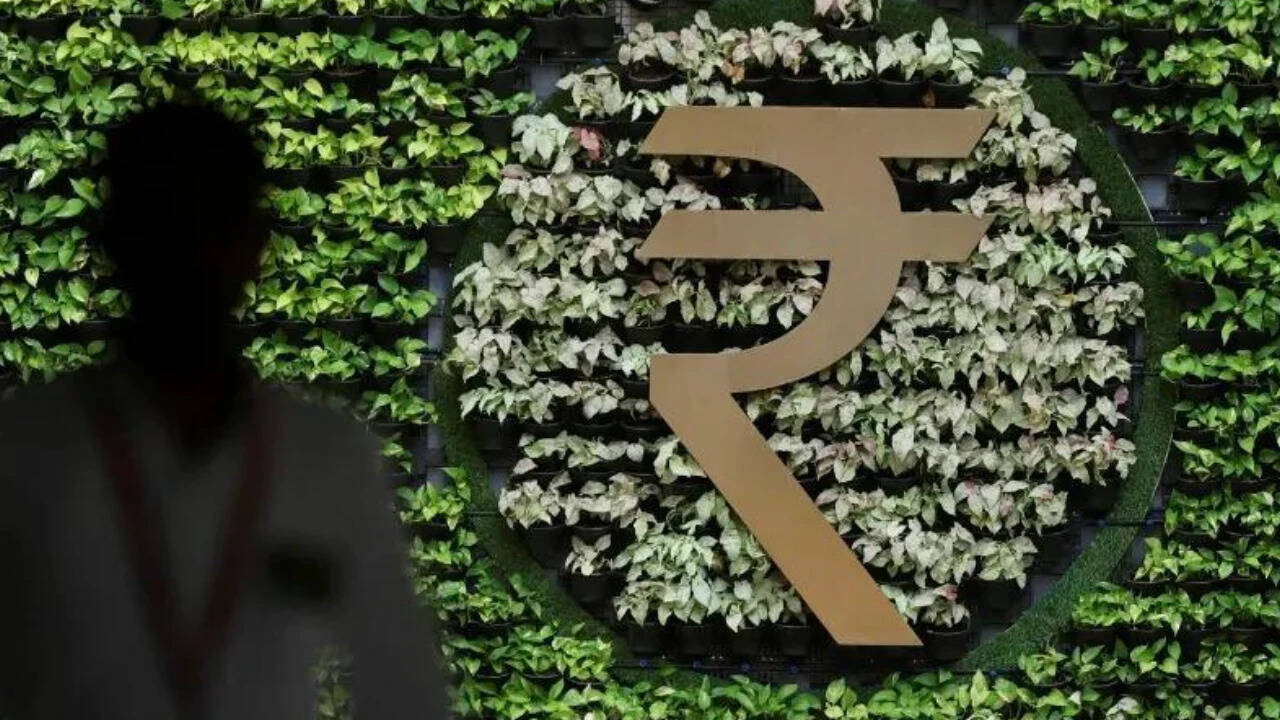
The foreign exchange markets registered a jarring correction as the Indian currency breached psychological thresholds under heavy selling pressure. Currency desks reported broad dollar demand from foreign institutional investors locking in liquidity against a backdrop of tightening global monetary conditions. This acute downward pressure reflects structural vulnerabilities tied to energy imports, which automatically expand the current account deficit whenever international petroleum benchmarks ascend. Policy makers within the central bank now confront an unenviable dilemma between defending currency parity through aggressive reserve deployment and allowing market forces to absorb the shock. Currency stabilization efforts routinely drain foreign exchange reserves, reducing the monetary authority's capacity to insulate domestic credit markets from external shocks. Meanwhile, commercial banks are recalibrating their risk models to account for higher hedging costs, which threaten to compress profit margins across manufacturing and retail sectors dependent on raw material imports. Downstream casualties of this currency slide include domestic consumers facing inflated retail fuel prices and heightened borrowing costs as retail lenders pass on imported inflationary pressures. Exporters may experience short lived competitive gains, but these advantages are frequently neutralized by the higher cost of imported intermediate goods required for final production. Over the upcoming quarters, persistent weakness in the exchange rate risks embedding higher inflation expectations across the domestic economy, forcing a more defensive posture from monetary authorities.
Comments 0