The Premium Paradox: Unpacking India’s Marginal Big-Bike Market
Recent market analyses reveal that motorcycles exceeding 350cc account for a meager 1.4 percent of total two-wheeler sales in India despite commanding immense visual presence. The data exposes a stark disconnect between digital aspiration and the harsh economic realities governing mass consumer purchasing power.
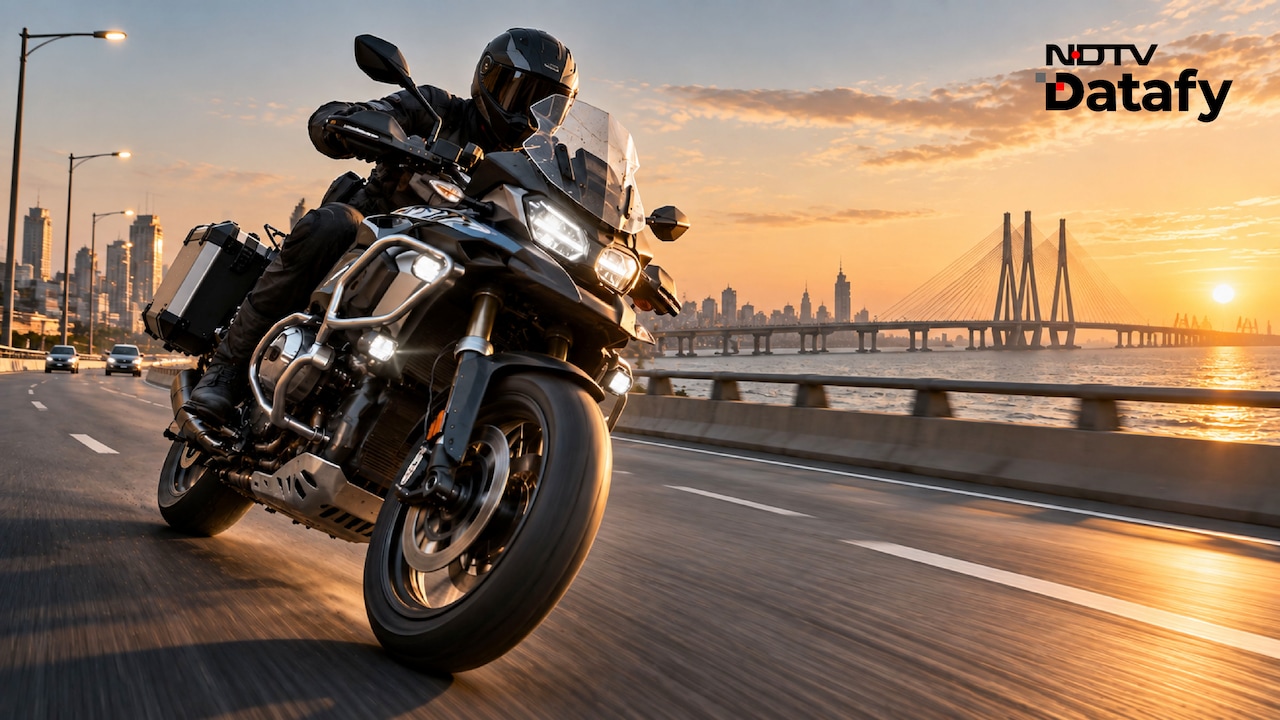
India remains the undisputed epicenter of two-wheeler manufacturing, yet the high-end motorcycle segment occupies an extraordinarily minuscule fraction of the overall market. While promotional campaigns and digital culture celebrate heavyweight machines with massive road presence, actual showroom conversions tell a vastly different story. Motorcycles displacing over 350cc represent barely 1.4 percent of total national sales, constrained by high acquisition costs, punishing fuel prices, and densely congested urban infrastructure that renders heavy machinery impractical. This disparity highlights the fundamental stratification of the Indian consumer economy. Automobile manufacturers continuously invest massive capital into importing and assembling premium platforms to capture aspirational urban youth, yet the vast demographic majority of buyers remain anchored to fuel-efficient commuter models. Dealership networks find themselves overexposed to premium inventory that moves at glacial speeds, creating severe inventory holding costs and forcing aggressive discounting strategies. Consequently, the big-bike segment functions more as a brand-building exercise for major manufacturers than a genuine profit center. The downstream casualty is the independent aftermarket ecosystem and specialized repair networks, which struggle to achieve economies of scale servicing such a niche demographic. As infrastructure pressures mount, the gap between commuter necessity and leisure luxury will continue to widen.
Comments 0