Transnational Crime Syndicates Face Increased Pressure as Punjab Police Apprehend Deported Fugitive
Punjab law enforcement authorities have successfully taken custody of a high-profile associate of a notorious syndicate leader following deportation proceedings from Canada. This cross-border transfer signals closer intelligence sharing between foreign immigration authorities and Indian state security apparatuses.
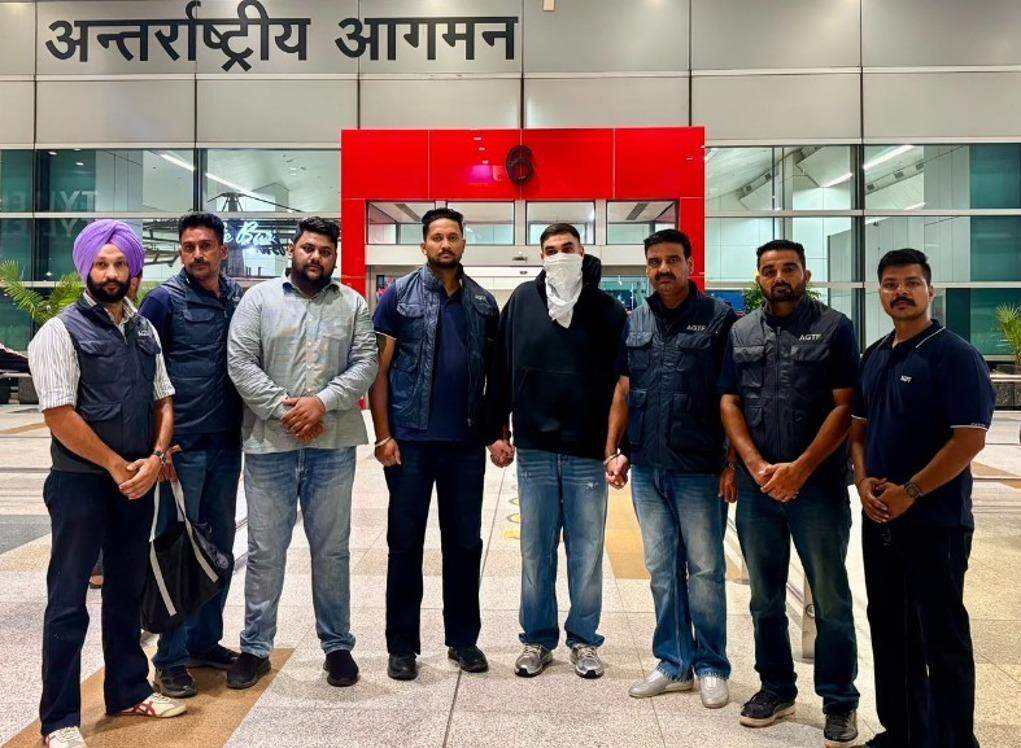
The operational reach of North Indian criminal syndicates has long relied on safe havens established in Western diaspora communities, particularly across Canadian metropolitan centers. Diplomatic friction and heightened scrutiny over transnational organized crime have gradually altered this dynamic, creating operational hazards for fugitives operating abroad. Foreign intelligence cooperation is increasingly resulting in expedited deportations rather than prolonged extradition battles. Local law enforcement in Punjab has faced intense public and political scrutiny regarding the persistent operational capacity of jailed syndicate leaders and their overseas lieutenants. The return of key operatives disrupts the command and control networks that coordinate extortion, contract violence, and narcotics distribution across northern districts. Investigators must now extract actionable intelligence from the returned suspect to dismantle local sleeper cells. The immediate consequence is a defensive posture among remaining syndicate members hiding in international jurisdictions. While this single deportation provides a tactical victory for state police forces, the underlying socioeconomic drivers of youth recruitment into organized crime remain unaddressed. Without comprehensive rural economic reform, criminal networks will continue to find willing replacements for captured leadership.
Comments 0