Urban Neglect Exposed As Capital City Fails To Integrate Forgotten Public Spaces
Municipal authorities in New Delhi continue to grapple with extensive tracts of vacant civic land left unutilized amid rapid urbanization. This structural failure highlights chronic deficiencies in municipal planning and public amenity distribution.
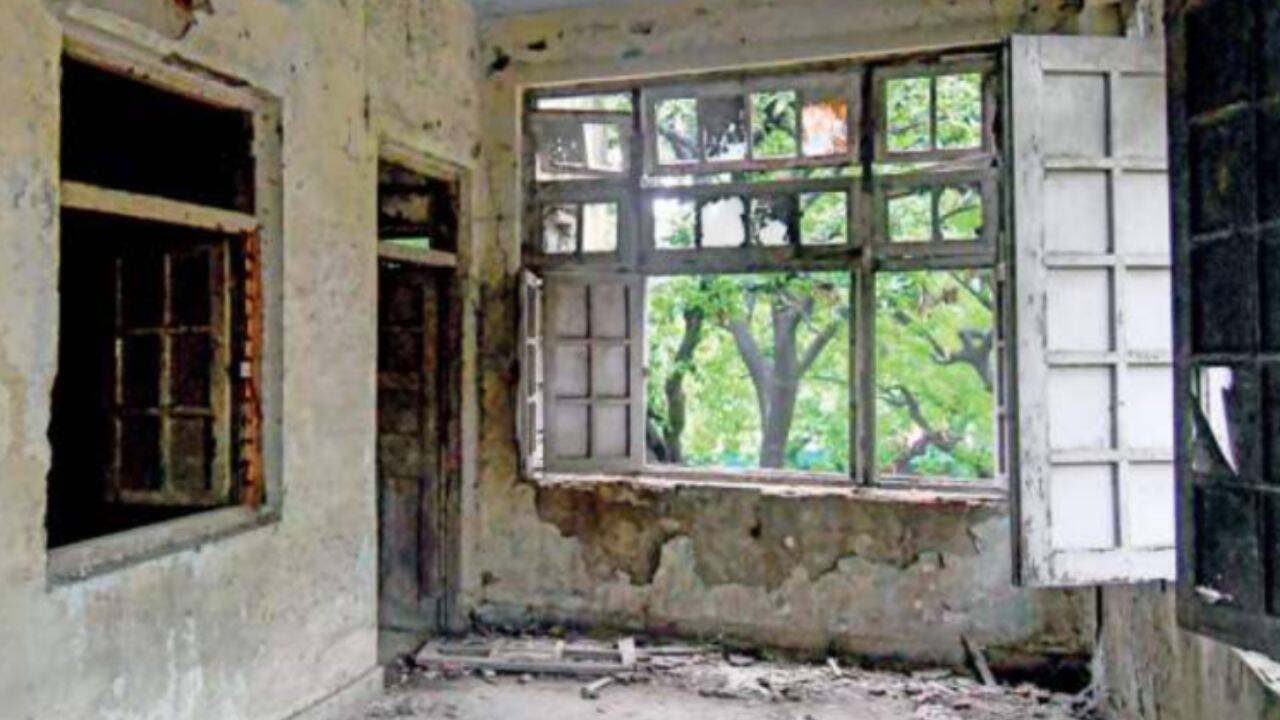
Urban centers across the national capital region feature numerous pockets of barren land, residual plots, and neglected public squares that exist in stark contrast to surrounding commercial congestion. Despite mounting population densities and severe deficits in recreational infrastructure, municipal agencies have failed to transform these dormant spaces into functional community assets. These neglected parcels stand as monuments to bureaucratic inertia, caught between competing jurisdictional mandates and a lack of sustained civic vision. The root cause of this stagnation lies in fragmented municipal governance, where accountability is diffused across multiple overlapping agencies including land development authorities and municipal corporations. Urban planners argue that short term political cycles consistently prioritize high visibility mega projects over the meticulous, localized stewardship required to revitalize neighborhood spaces. Consequently, valuable urban real estate deteriorates into dumping grounds or informal parking lots while citizens are deprived of accessible green areas. The immediate losers in this administrative paralysis are urban residents who endure congested living conditions devoid of adequate community infrastructure. Without comprehensive institutional reform to streamline land management and empower municipal bodies, these forgotten spaces will remain liabilities rather than assets. Unlocking this urban potential requires a coordinated policy shift toward decentralized neighborhood planning and transparent civic accountability.
Comments 0