Washington Weighs Radical Diesel Export Ban as Pump Prices Surge
Lawmakers are debating emergency curbs on fuel shipments abroad to combat soaring domestic energy costs. Critics warn the protectionist maneuver could paradoxically disrupt global refining margins and worsen local shortages.
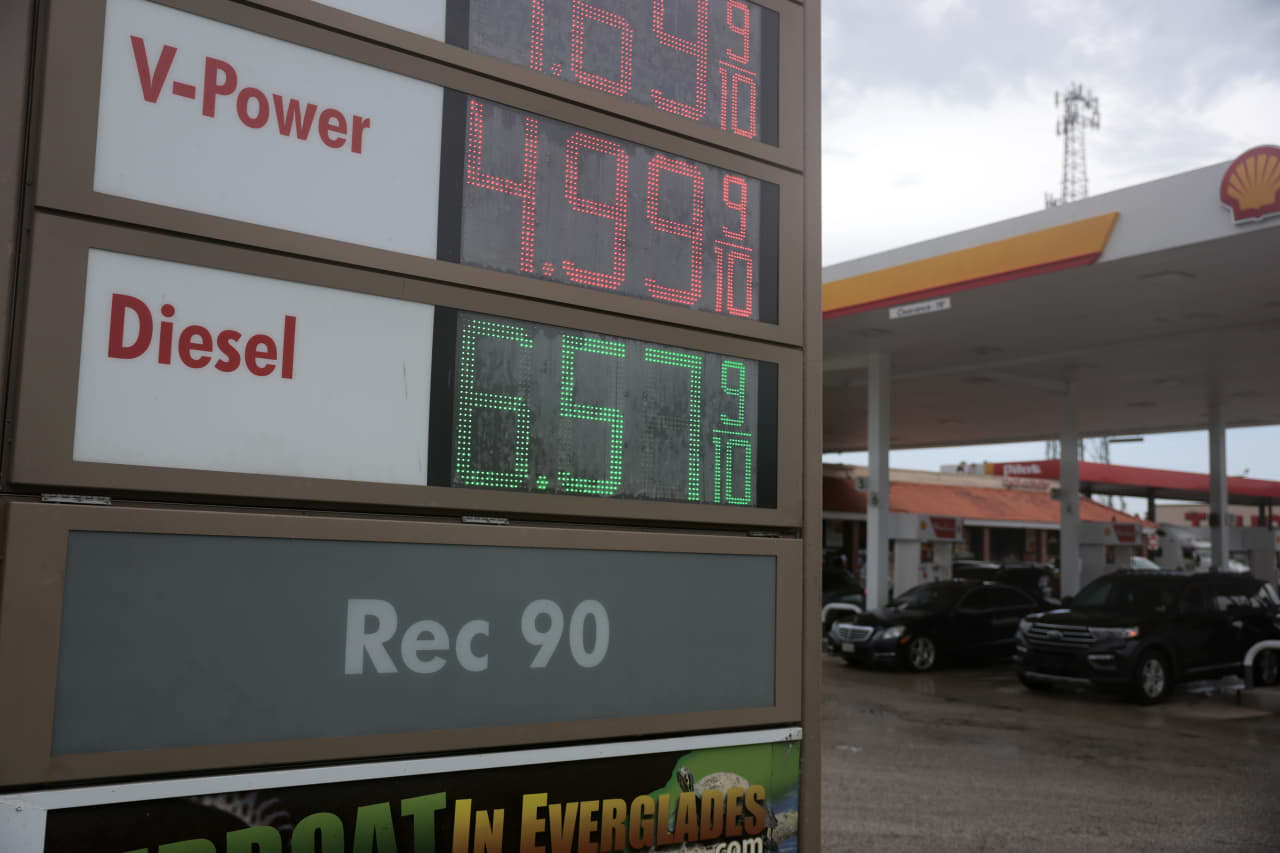
As wholesale petroleum costs breach historical thresholds across North American markets, federal policymakers have begun evaluating aggressive trade restrictions on refined middle distillates. Proponents of the export curb argue that retaining domestic refinery output within national borders is essential to insulate freight carriers and agricultural operators from crippling price spikes. Energy markets reacted swiftly to the legislative rumblings, sending futures contracts into volatile trading sessions. Industry analysts and commodity traders caution that halting outbound diesel shipments risks triggering severe retaliatory measures from international trading partners. Refineries optimized for specific crude slates and export balances would face operational bottlenecks, ultimately reducing overall fuel manufacturing capacity. The structural imbalance could redirect global supplies away from domestic shores, defeating the original intent of the legislative intervention. Transportation firms and logistics conglomerates are frantically lobbying congressional committees to reject the embargo in favor of targeted subsidies or inventory releases. Economists emphasize that supply-side price shocks require global market adjustments rather than isolationist trade barriers. The ongoing debate highlights the precarious vulnerability of modern supply chains to sudden energy price escalations.
Comments 0