1 Million People, 20,000 Vehicles And Gridlock: Traders' Note To Rahul Gandhi
Traders have sent a note to Rahul Gandhi regarding the ongoing protest, highlighting the scale of 1 million people and 20,000 vehicles involved. This follows Gandhi's earlier claim that the protest could be stopped in 30 seconds if Prime Minister Modi sacked the Chief Election Commissioner.
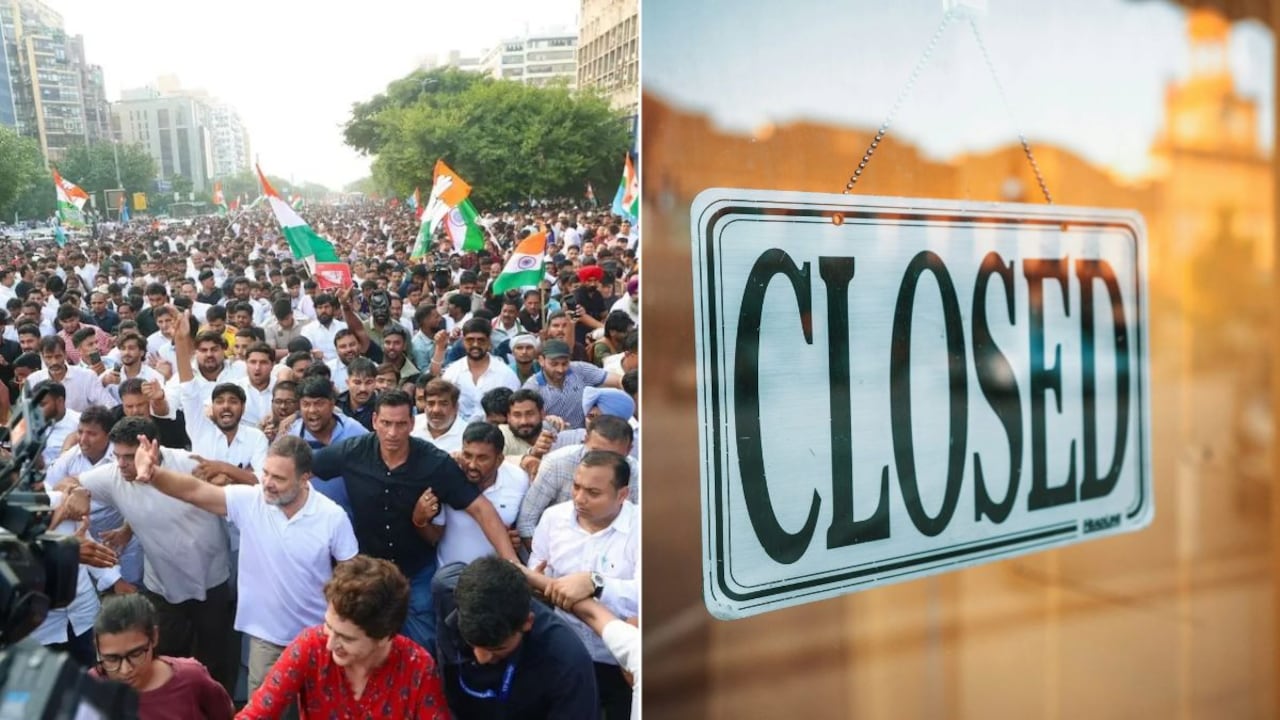
A group of traders has issued a public note to Rahul Gandhi, addressing the ongoing protest that has mobilized approximately one million people and 20,000 vehicles. The note serves as a response to Gandhi's recent social media post, in which he suggested that the protest could be halted within 30 seconds if Prime Minister Narendra Modi dismissed Chief Election Commissioner Gyanesh Kumar. The traders' communication indicates a desire to clarify the nature and demands of the movement, distinguishing it from the political narratives being spun by opposition leaders.
The scale of the protest, with such a large number of participants and vehicles, underscores the significant public discontent driving the demonstrations. The traders' intervention suggests that the movement is rooted in specific economic or regulatory grievances rather than being a purely political tool. By engaging directly with a major political figure, the traders are attempting to ensure that their specific concerns are heard and not overshadowed by broader partisan debates. This move highlights the growing influence of organized economic groups in shaping public discourse.
For Indian readers, this development is important as it reflects the intersection of economic interests and political maneuvering. The ability of traders to mobilize such a large number of people and resources demonstrates the power of organized sectors in influencing policy. It also raises questions about the role of political leaders in either amplifying or diluting the voices of affected communities. As the protest continues, the focus will likely shift to whether the government addresses the specific demands of the traders or if the political narrative continues to dominate the conversation.
Comments 0