10 stations in severe zone as Delhi AQI hits 350; 219 farm fires detected across 6 states
Delhi’s air quality index surged to 350, placing ten monitoring stations in the severe category, while satellite data identified 219 farm fires across six states. The spike highlights the combined impact of urban pollution and agricultural burning on public health.
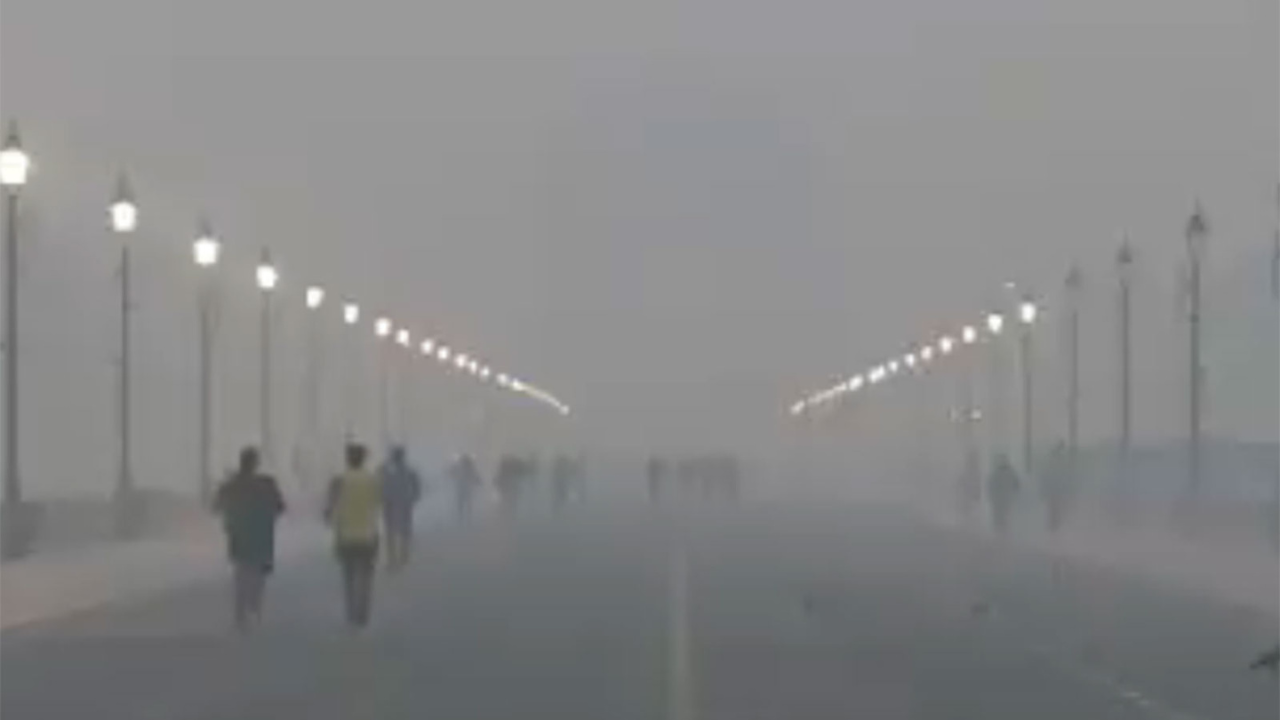
On Wednesday, the Delhi Pollution Control Committee reported that the city’s air quality index (AQI) climbed to 350, a level classified as severe. Ten of the city’s monitoring stations recorded readings that exceeded the threshold for severe pollution, prompting the issuance of health advisories for vulnerable groups such as children, the elderly and those with respiratory conditions. The spike came after a week of stagnant weather, low wind speeds and high humidity, which prevented the dispersion of particulate matter. Officials warned that prolonged exposure could increase the risk of heart and lung problems.
Satellite imagery released by the National Centre for Medium‑range Weather Forecasting identified 219 active farm fires spread across six states, including Punjab, Haryana, Uttar Pradesh, Rajasthan, Madhya Pradesh and Gujarat. These fires are typically set to clear crop residues before sowing the next season, a practice that releases large quantities of carbon monoxide, nitrogen oxides and fine particulate matter into the atmosphere. While the agricultural community argues that burning is a quick and inexpensive method to prepare fields, environmental experts warn that the resulting smoke drifts into the National Capital Region, worsening already poor air quality. The combined effect of urban emissions and agricultural smoke has pushed Delhi’s AQI into the severe range for the first time this winter.
The deteriorating air quality has reignited calls for stricter enforcement of the ban on crop‑burning and for the adoption of alternative residue‑management techniques such as machine‑assisted removal or the use of bio‑decomposers. Delhi’s municipal authorities have already deployed additional air‑purifying devices and have urged residents to limit outdoor activities during peak pollution hours. For readers across India, the episode illustrates how regional agricultural practices can have direct health consequences in densely populated urban centers, underscoring the need for coordinated policy measures that address both rural and city pollution sources.
Comments 0