13‑Year‑Old Pune Prodigy Wins India Book of Records for AI Cell‑Tracking Tool
A young student from Pune developed an artificial‑intelligence application that tracks biological cells, earning a place in the India Book of Records. The achievement highlights the rising tide of youth‑led innovation in the country’s tech ecosystem.
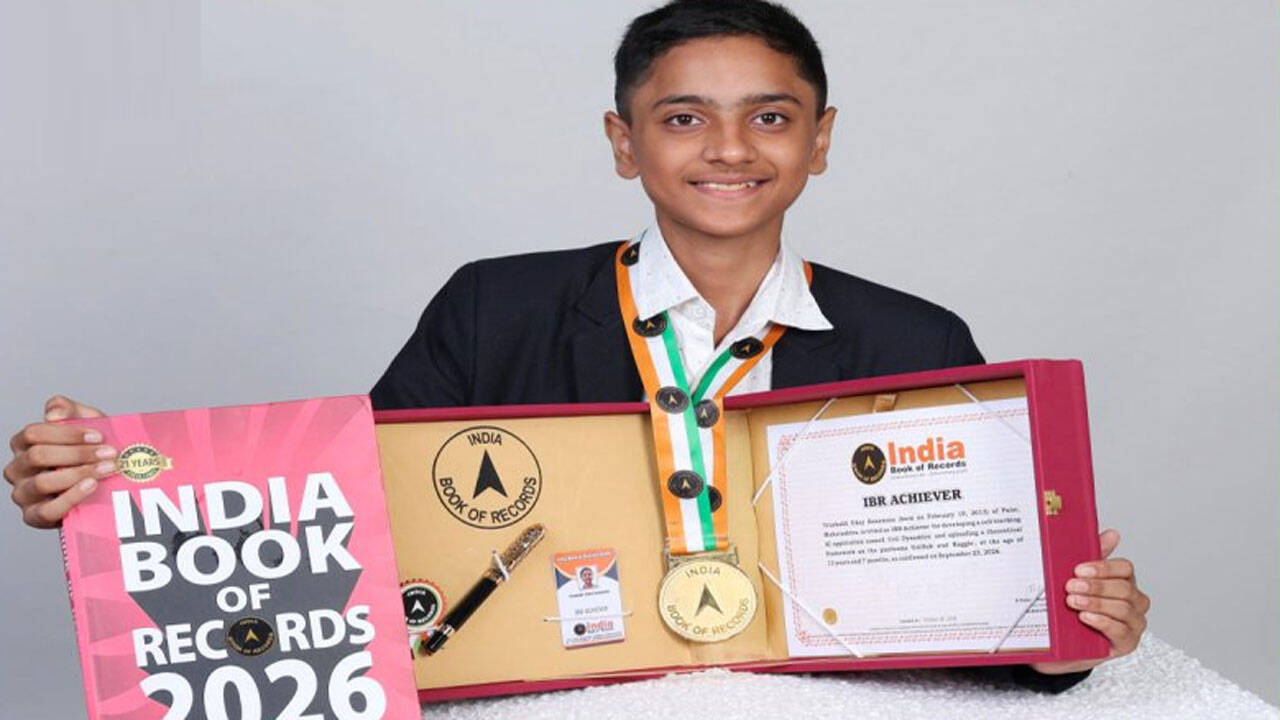
The concrete rupture in this narrative is the creation of a machine‑learning model by a thirteen‑year‑old that can identify and monitor cellular movements in real time, a capability previously reserved for specialized research labs. The application was recognized by the India Book of Records, marking a formal acknowledgment of the student’s technical acumen and the potential utility of the tool in biomedical research.
Underlying tension emerges from the broader discourse on India’s capacity to nurture home‑grown talent in artificial intelligence. While the nation invests heavily in digital education, disparities in access to resources persist, prompting debate over how to scale such breakthroughs beyond isolated prodigies. The achievement also raises questions about intellectual property rights and the pathways for young innovators to commercialise their inventions.
Downstream, the AI tool could accelerate diagnostic processes in laboratories, reducing reliance on costly equipment and enabling faster disease detection. Educational institutions may look to replicate the supportive environment that fostered this success, potentially integrating AI curricula at earlier stages. Moreover, the recognition may inspire policy makers to allocate more funding toward youth‑focused research incubators, strengthening India’s position in the global AI race.
Comments 0