2020 Delhi riots case: Court convicts former AAP councillor Tahir Hussain, acquits 12 accused
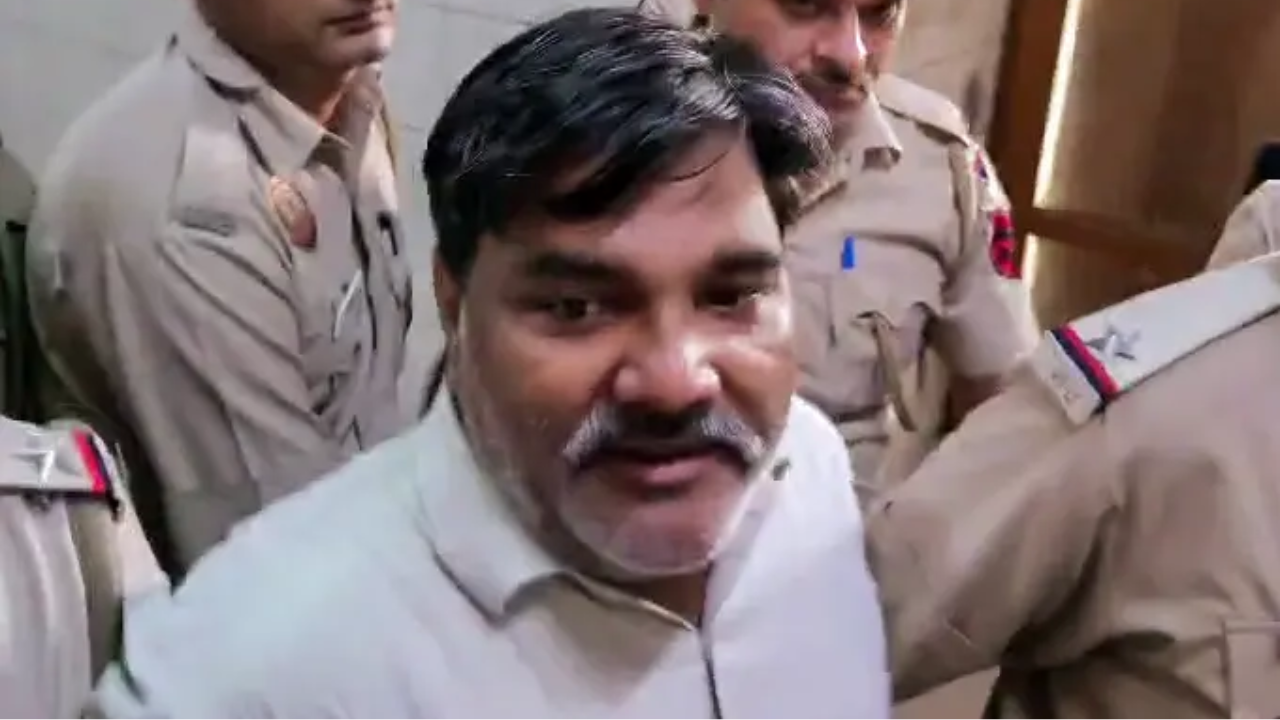
The Delhi Sessions Court convicted former AAP councillor Tahir Hussain for his role in the 2020 riots and sentenced him to three years in prison. Twelve other accused were acquitted after the court found insufficient evidence.
The violent clashes that erupted in Delhi in February 2020 left more than 50 people dead and hundreds injured, marking one of the most serious episodes of communal unrest in the capital in recent years. The riots began after a protest turned hostile near a religious site, quickly spreading to adjacent neighborhoods. Law enforcement agencies filed hundreds of cases, and a special court was set up to hear the matters. Over the years, investigators gathered evidence, recorded statements, and identified several individuals alleged to have taken part in the violence.
On Tuesday the Delhi Sessions Court delivered its judgment in the case that involved former Aam Aadmi Party councillor Tahir Hussain. The judge found Hussain guilty of inciting violence and of taking part in the destruction of property, and sentenced him to three years of imprisonment along with a fine. The court also examined the evidence against twelve other accused persons, but concluded that the prosecution had not proved their involvement beyond reasonable doubt, resulting in their acquittal. The verdict reflects the court’s assessment of the material presented during the trial and the standards of proof required under Indian criminal law.
The decision has drawn reactions from political leaders, civil society groups and residents of the affected neighborhoods. Supporters of the ruling party argue that the conviction sends a clear message that those who stir communal hatred will face legal consequences, while opposition figures caution that the acquittal of the dozen individuals may leave some victims feeling that justice was incomplete. Observers note that the case will be watched closely as a test of the judiciary’s ability to handle politically sensitive incidents, and they suggest that the outcome could influence how future communal disputes are investigated and prosecuted.
Comments 0