3 km, 12 km, 21 km: How far are Delhi’s new protest sites from Jantar Mantar?
Delhi authorities have designated new protest sites located at varying distances from the iconic Jantar Mantar, including spots 3 km, 12 km, and 21 km away. This move aims to manage public gatherings while maintaining proximity to the city center.
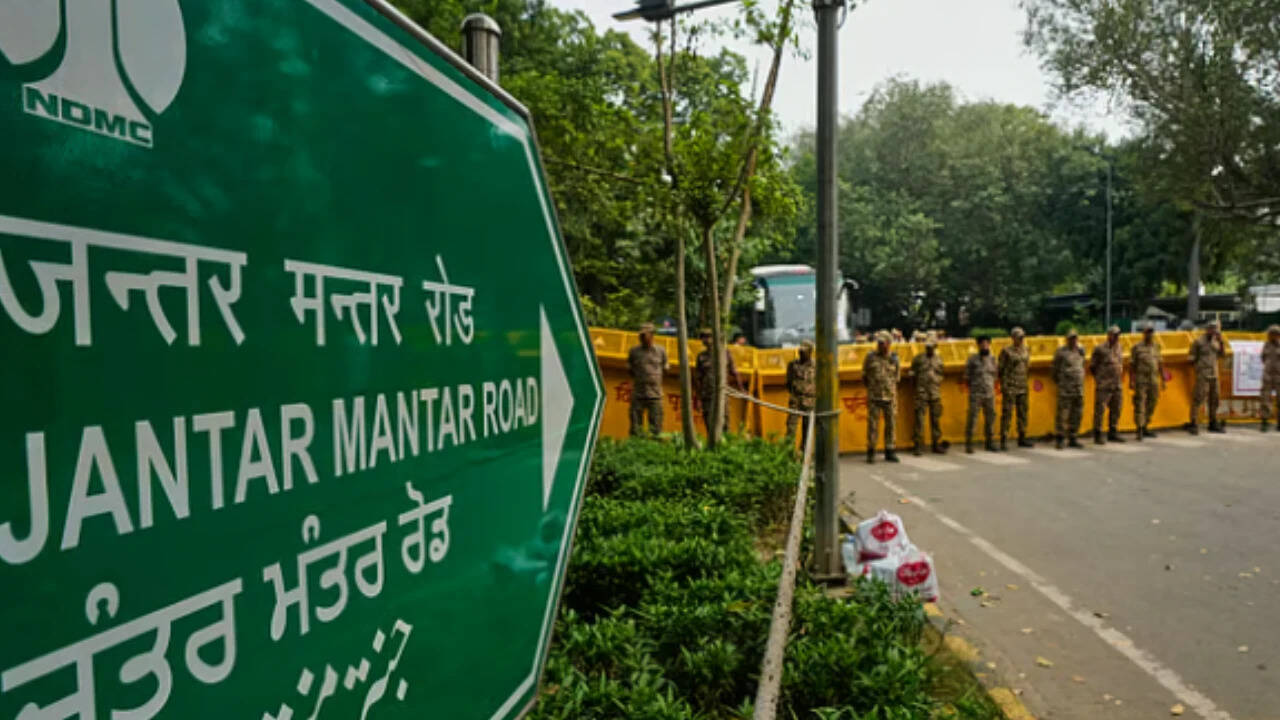
In a significant change to protest management protocols, Delhi authorities have identified new locations for public demonstrations. These sites are situated at specific distances from Jantar Mantar, the traditional hub for protests in the capital. The designated areas are located 3 km, 12 km, and 21 km away from the historic monument. This strategic placement is intended to provide alternatives for protesters while ensuring that the immediate vicinity of Jantar Mantar remains clear for other activities. The authorities argue that these new sites offer sufficient space and infrastructure to accommodate large gatherings safely.
The decision to move protest zones further from the city center has sparked debate among legal experts and civil society groups. Critics argue that increasing the distance may discourage participation, as it becomes more difficult for citizens to travel to these locations. Proponents of the new arrangement, however, maintain that it helps in better crowd management and reduces the logistical burden on the city's core areas. The specific distances chosen suggest a tiered approach, with closer options for smaller gatherings and farther sites for larger events.
For readers in India, this shift in protest geography has practical implications for civic engagement. The ease of access to protest sites directly affects the ability of citizens to voice their concerns. As Delhi continues to grapple with the challenges of managing public order, the location of these sites will play a role in determining the scale and nature of future demonstrations. The outcome of this policy will likely influence how other cities approach the management of public assemblies in the coming years.
Comments 0