Accountability on the Streets: Delhi Police Face Backlash Over Harassment Allegations
The Aam Aadmi Party has launched aggressive street protests following allegations that three female journalists were sexually harassed by police officers during a public demonstration. This confrontation has reignited the long-standing constitutional battle over who controls the security apparatus of India's capital city.
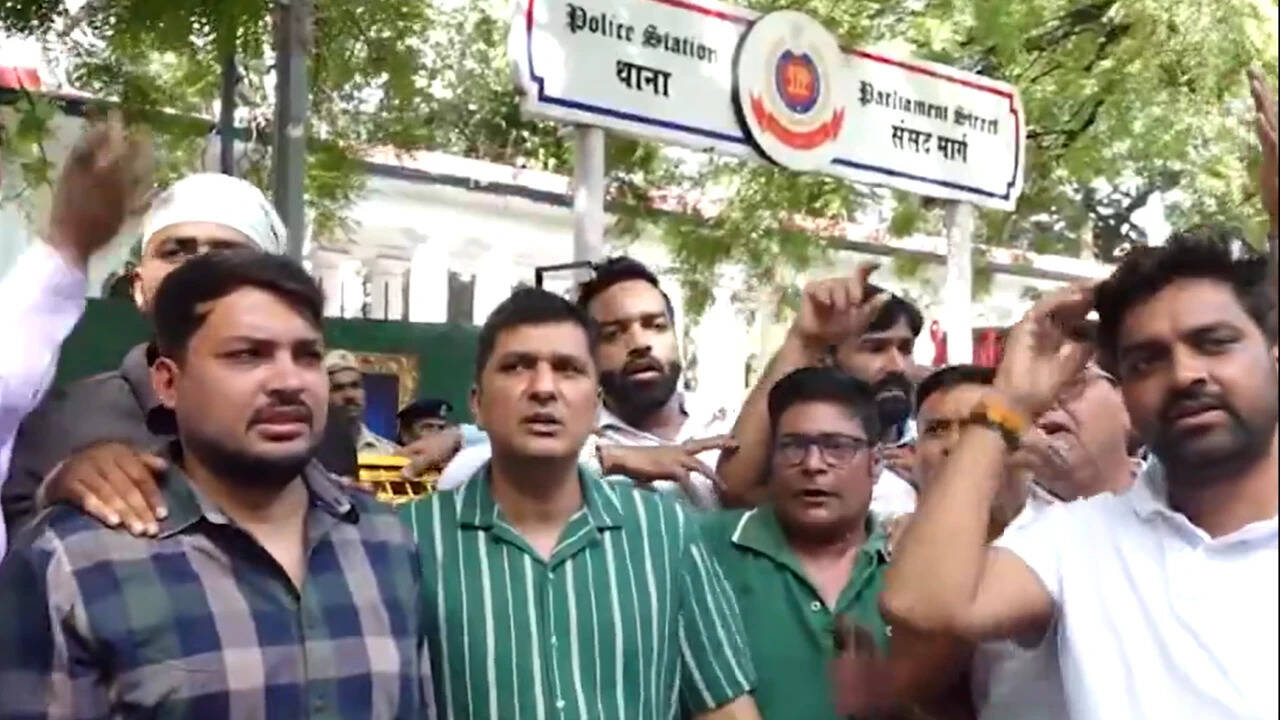
The streets of New Delhi became a political battleground as demonstrators clashed with security forces following grave misconduct allegations against the Delhi Police. Three female journalists, reporting on a public assembly, reported being subjected to physical intimidation and sexual harassment by officers deployed to manage the crowd. The incident immediately transformed a standard political rally into a volatile confrontation over press freedom and the safety of women in public spaces. Beneath this immediate outrage lies the unresolved constitutional friction between the elected government of Delhi, led by the Aam Aadmi Party, and the federal administration which controls the police force through the Lieutenant Governor. By championing the cause of the harassed journalists, the local ruling party is attempting to expose the systemic impunity of a police force that remains unaccountable to the local electorate. The federal authorities, conversely, view the protests as a politically motivated attempt to undermine law enforcement and destabilize administrative order. The immediate casualty of this institutional warfare is the safety and operational freedom of independent journalists, who now find themselves caught between aggressive policing and political theater. As both sides weaponize the incident, systemic reforms to police training and accountability are likely to be sidelined in favor of partisan rhetoric. The long-term consequence will be a further erosion of public trust in the capital's law enforcement agencies, making future public assemblies even more prone to violent escalation.
Comments 0