Administrative Overhaul and Sanitisation Milestones Across Uttar Pradesh
Evaluating nine years of sanitation interventions under comprehensive hygiene frameworks reveals profound behavioral shifts in Uttar Pradesh. Public infrastructure investments have successfully established decentralized waste management systems across urban and rural municipalities.
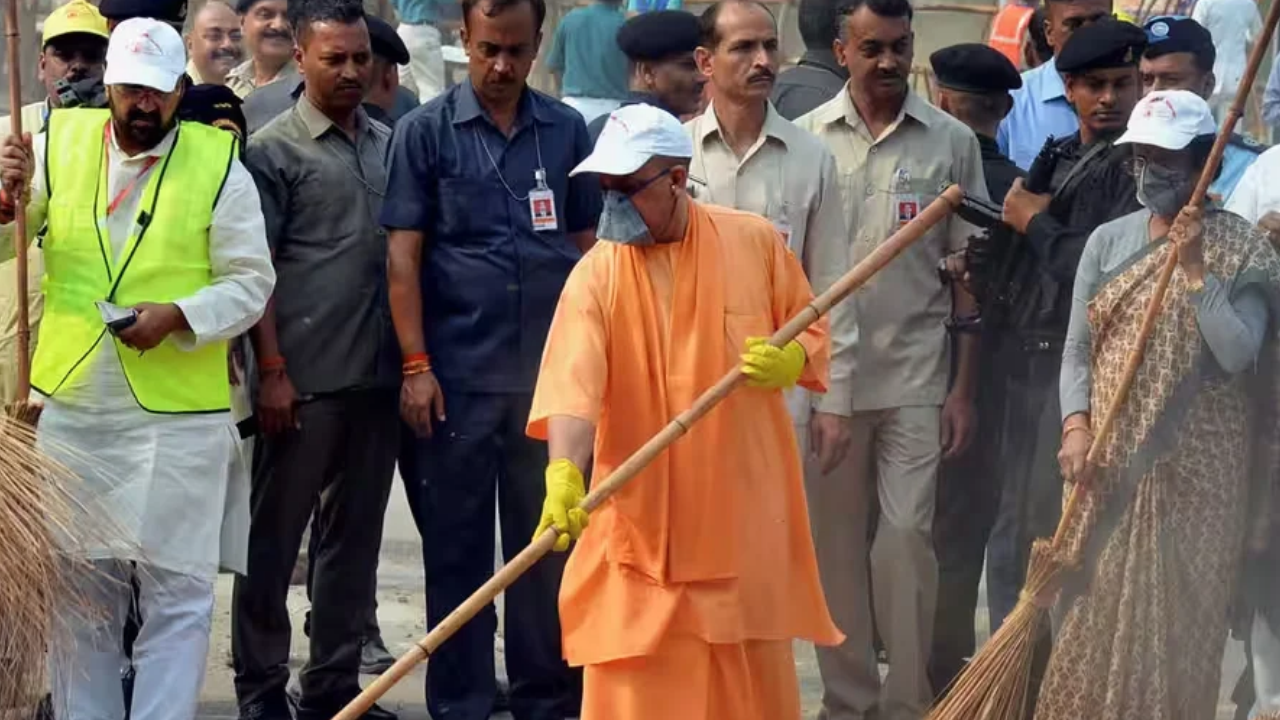
The monumental push for civic sanitation has radically altered the public health metrics of India's most populous state over the past decade. Government programs shifted focus from mere infrastructure construction to building integrated waste processing and behavioral modification ecosystems. Municipal bodies now manage localized waste streams that previously choked rural peripheries and urban waterways alike. However, maintaining these sprawling sanitation networks presents continuous logistical and financial challenges for local governing bodies. Ensuring the long-term functionality of community toilets and waste treatment plants requires consistent budgetary allocations and technical maintenance expertise. Bureaucratic inertia frequently threatens to undo grassroots gains if local authorities fail to enforce continuous community engagement. The ultimate outcome is a measurable reduction in waterborne illnesses and a visible transformation of public spaces across both small towns and large cities. Local entrepreneurs are finding commercial viability in recycling and waste-to-energy initiatives spawned by the clean-up drive. This structural upgrade establishes a new baseline for civic infrastructure management throughout the region.
Comments 0