Administrative Upheaval In Uttar Pradesh As Senior Bureaucrats Reassigned
The Uttar Pradesh government has abruptly transferred ten senior Indian Administrative Service officers. The sweeping reshuffle targets critical portfolios within the health and energy departments.
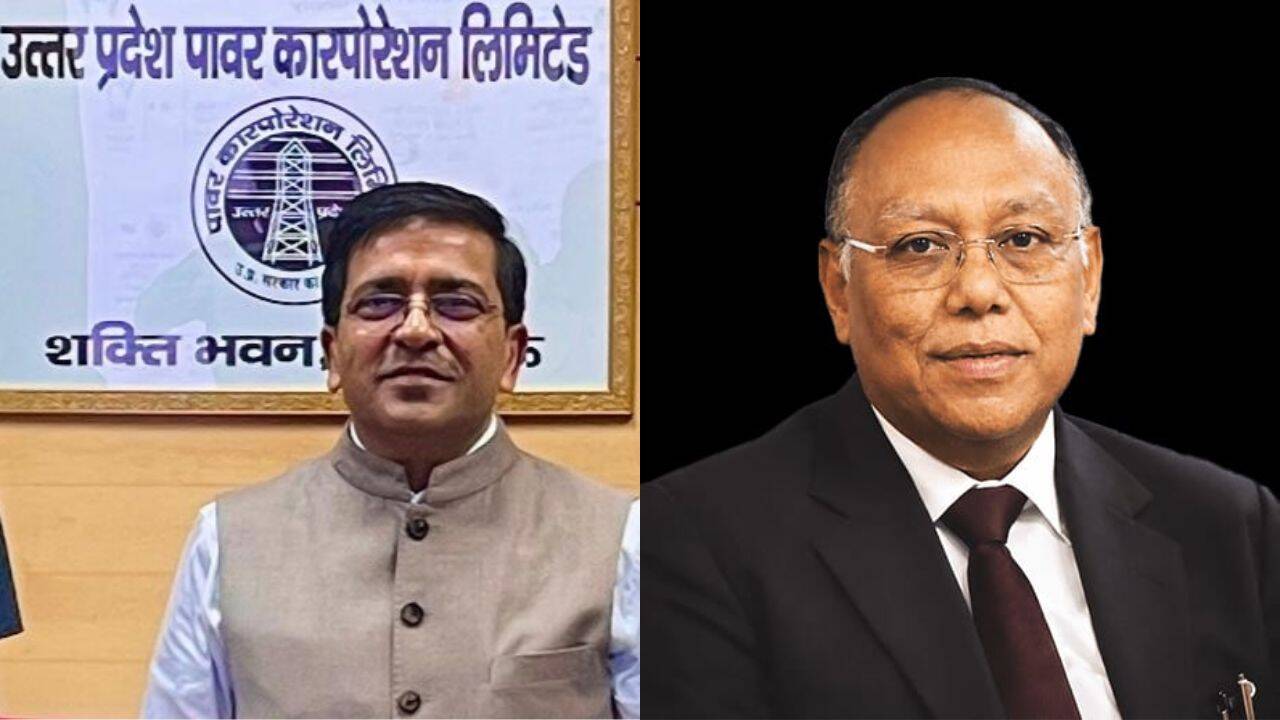
The corridors of power in Lucknow witnessed a sudden administrative reconfiguration late this week. Ten senior civil servants found themselves moved to new postings in an exercise signaling the executive branch's growing impatience with lagging implementation metrics. Key supervisory roles overseeing public health infrastructure and state power distribution systems bore the brunt of the transfers, disrupting established hierarchies and ongoing policy rollouts. Such high-level bureaucratic churn reflects underlying friction between political leadership and administrative machinery. State leaders frequently utilize mass transfers to signal accountability or preempt public discontent regarding service delivery failures in hospitals and power grids. However, frequent displacement of senior officers often induces administrative inertia, as incoming bureaucrats spend months familiarizing themselves with legacy files rather than executing long-term structural reforms. Citizens and regional stakeholders bear the ultimate cost of these administrative disruptions. Critical healthcare procurement programs and rural electrification drives face indefinite pauses while newly appointed officials assert control over their departments. The institutional churn guarantees that systemic bottlenecks in governance remain unresolved, replaced instead by a revolving door of executive leadership.
Comments 0