ADNOC Chief Warns of Shrinking Global Oil Buffers
Sultan Al Jaber, chief executive of Abu Dhabi National Oil Company, cautioned that strategic oil reserves have been depleted after a billion barrels vanished from inventories following the Hormuz disruption. He urged nations to expand storage capacity and refine closer to demand centres to avert future supply shocks.
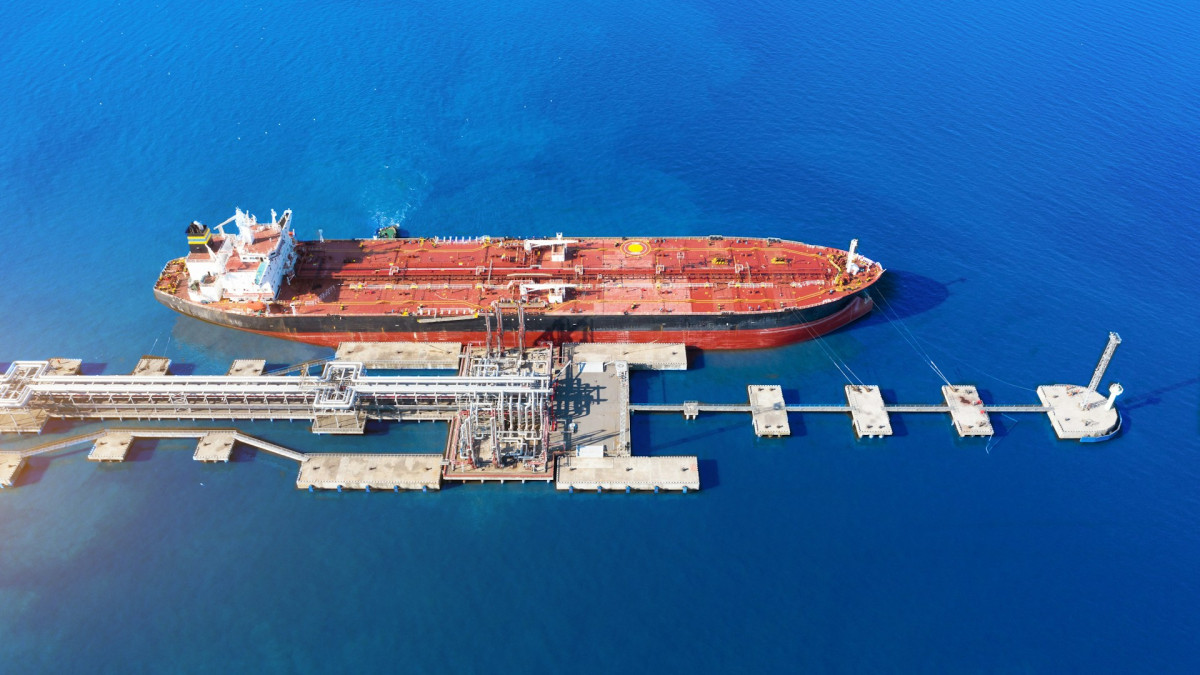
The chief executive of ADNOC addressed an audience of energy ministers and industry leaders, noting that the recent closure of a key shipping lane in the Strait of Hormuz precipitated a rapid drawdown of global oil stockpiles, erasing roughly one billion barrels from strategic reserves. This contraction, he argued, exposed the fragility of a system that had long relied on excess capacity to smooth out geopolitical turbulence. The loss, he said, was not merely a statistical blip but a signal that the world’s buffer against sudden supply interruptions is eroding faster than anticipated.
Underlying this warning is a tension between the ambition of oil‑producing nations to maximise output and the reluctance of consuming economies to invest in costly storage infrastructure. While some Gulf states have expanded terminal capacity, many western markets have trimmed their reserves in pursuit of lower balance‑sheet costs, creating a mismatch between production volatility and consumption stability. The call for more regional refining hubs reflects a strategic shift toward decentralising the supply chain, a move that could reshape trade routes and alter the geopolitical leverage of traditional oil exporters.
If the trend continues, downstream industries from aviation to petrochemicals may confront price spikes and supply bottleneities, prompting a reassessment of energy security policies across continents. Nations might accelerate the development of alternative fuels or renewables to hedge against oil market uncertainty, while investors could redirect capital toward storage technologies and mid‑stream assets. The cumulative effect may be a rebalancing of global energy power, with countries that secure robust buffer mechanisms gaining a decisive advantage in the next decade.
Comments 0