ADNOC Tanker Attack in Hormuz Signals a New Era of Maritime Instability
An ADNOC vessel was attacked while transiting the Strait of Hormuz, marking a significant escalation in maritime security risks. This incident threatens to disrupt global oil flows and increase insurance premiums, with far-reaching implications for energy markets and international trade.
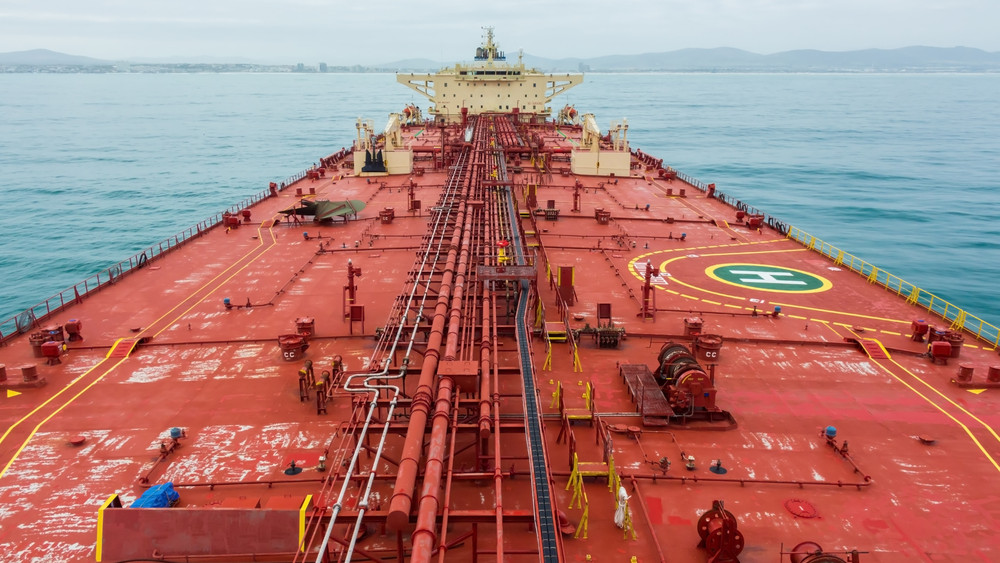
The attack on an ADNOC Logistics & Services vessel in the Strait of Hormuz is a stark reminder of the fragility of global energy supply chains. The strait, through which a significant portion of the world's oil passes, has become a flashpoint for geopolitical tensions. The incident, confirmed by Abu Dhabi's national oil company, occurred on the evening of November 17, adding to a series of attacks on tankers in the region. This is not an isolated event; it is part of a broader pattern of increasing maritime insecurity that is forcing nations to rethink their energy security strategies.
The underlying tension is rooted in the geopolitical rivalry between major powers, with the strait serving as a chokepoint that can be leveraged for strategic advantage. The institutional friction is evident in the lack of a unified international response to these attacks, as different nations have varying interests and capabilities in the region. The US, Iran, and other regional actors are all playing a role in this complex dynamic, and the absence of a clear deterrent has emboldened those seeking to disrupt trade. The risk is not just to the vessels themselves, but to the entire ecosystem of maritime commerce that depends on the safety of these waterways.
The downstream consequences are already being felt in the energy markets. Insurance premiums for tankers transiting the strait have spiked, increasing the cost of oil transportation and potentially leading to higher prices for consumers. The incident also raises questions about the reliability of global energy supplies, particularly for countries that are heavily dependent on imports from the Middle East. For India, which is a major importer of oil, this means increased vulnerability to supply disruptions and the need to diversify its energy sources. The long-term impact will be a shift in global trade routes and a greater emphasis on energy security in national policy.
Comments 0