Adverse Weather Undermines Bihar's Foodgrain Harvest, Officials Warn of Shortfalls
A recent meteorological report links unseasonal rains and temperature spikes to a decline in foodgrain yields across Bihar. The shortfall threatens regional food security and could pressure market prices nationwide.
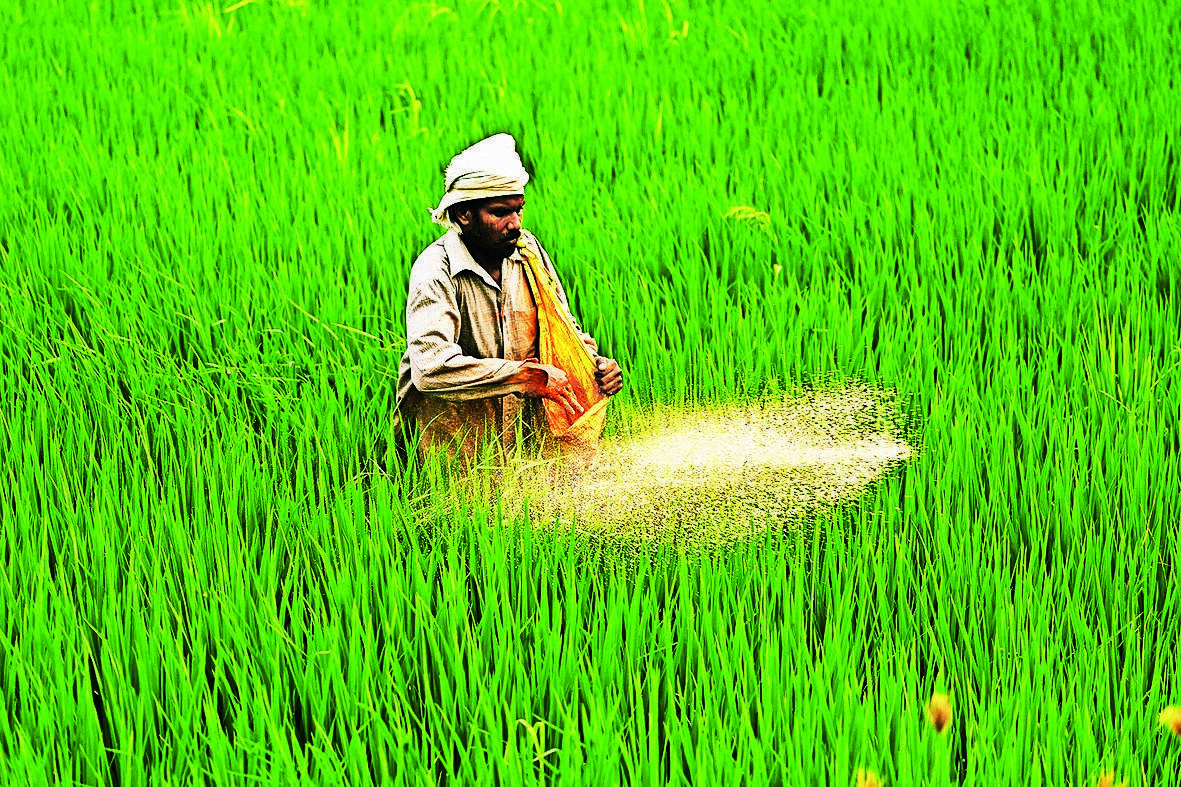
The Bihar agricultural department released a comprehensive assessment indicating that erratic rainfall patterns and unexpected heatwaves during the critical sowing and maturation phases have reduced the projected output of staple grains such as wheat, rice, and pulses. Satellite imagery and field surveys corroborated farmer testimonies of delayed planting, increased pest infestations, and premature crop wilting. The report estimates a yield contraction of approximately 12 percent compared with the previous year, a figure that translates into a loss of several hundred thousand metric tonnes of consumable grain.
Underlying this agricultural setback is a confluence of climate variability and infrastructural inadequacies. Irrigation networks in many districts remain under‑developed, leaving farmers dependent on monsoon reliability that is now increasingly unpredictable. Moreover, the state's limited capacity for real‑time weather forecasting hampers timely dissemination of advisories, reducing the ability of cultivators to adapt planting schedules or employ protective measures. Policy analysts point to the need for accelerated investment in water‑storage facilities and climate‑resilient seed varieties to mitigate future vulnerabilities.
The downstream repercussions extend beyond the farm gate. Reduced grain availability is expected to elevate wholesale prices in local mandis, exerting upward pressure on consumer inflation, particularly for low‑income households. State authorities have signalled plans to import supplemental grain stocks and to activate price‑stabilisation mechanisms, but logistical constraints may delay relief. In the longer term, the episode may catalyse a shift toward diversified cropping patterns and encourage adoption of agritech solutions, as stakeholders seek to buffer the agrarian economy against recurrent weather shocks.
Comments 0