Aerospace Horizons Expand as Advanced Airframes Hint at Directed Energy Capabilities
Defense analysts parse emerging design configurations of next-generation fighter platforms for integrated laser weaponry. The technological evolution signals a fundamental shift toward speed-of-light engagement doctrines in aerial combat.
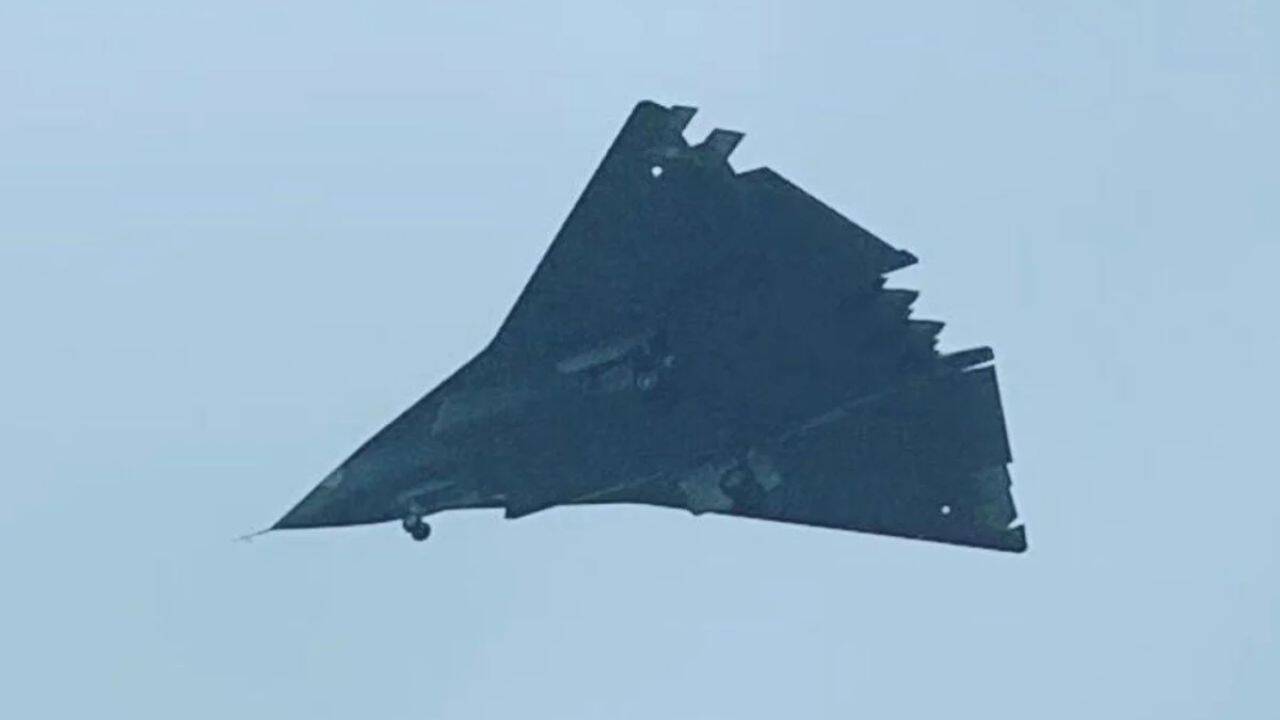
Recent visual disclosures concerning advanced sixth-generation aircraft concepts have intensified global intelligence scrutiny regarding airborne directed-energy capabilities. Military aviation observers note that the airframe geometry and internal bay provisions strongly suggest provisions for high-power laser systems designed for incoming missile neutralization. As aerial combat speeds approach hypersonic thresholds, traditional mechanical interception mechanisms face severe physical limitations, compelling major military powers to accelerate research into optical defense systems. Developing operational lasers capable of generating sufficient megawatt-class output within the constraints of a tactical fighter jet requires unprecedented breakthroughs in thermal management and power generation. Avionics engineers must successfully couple high-capacity auxiliary power units with robust cooling architectures to prevent onboard systems from melting during combat engagement. This technological race represents a convergence of aerospace engineering, quantum electronics, and materials science aimed at achieving absolute dominance in contested airspace. The integration of such weaponry into frontline fleets will render traditional radar-evading stealth doctrines obsolete, forcing defense planners to reevaluate air combat tactics entirely. Nations lagging in directed-energy research face a widening strategic disadvantage, as conventional air defense missiles prove increasingly inadequate against speed-of-light countermeasures. The resulting arms race will absorb massive defense capital over the coming decade, permanently altering international military power balances.
Comments 0