Agricultural Biotechnology: Improved Rohu and Catla Strains Introduced at Nalagarh Fish Farm
Agricultural scientists in Punjab have deployed genetically enhanced fish strains to commercial hatcheries to boost regional aquaculture yields. This intervention aims to elevate protein production efficiency and secure farmer incomes.
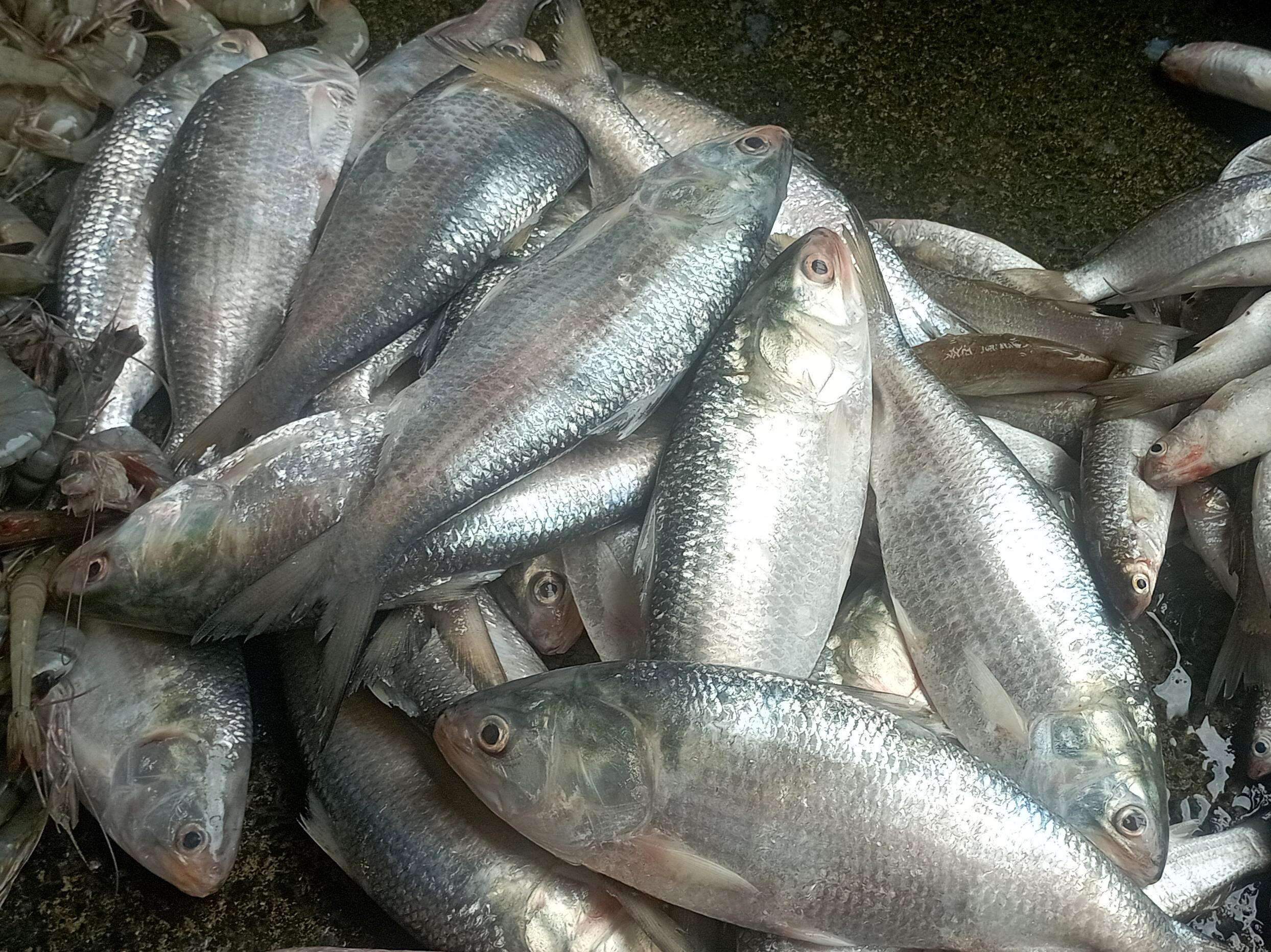
Traditional carp aquaculture in northern India has long struggled with slow growth rates and high susceptibility to disease during seasonal temperature fluctuations. To counter these biological bottlenecks, fisheries research institutes have spent years breeding superior strains of Rohu and Catla through selective genetic selection. The official introduction of these high-performing breeds at the Nalagarh fish farm marks a definitive transition from laboratory research to commercial dissemination. Implementing these advanced strains requires overcoming significant resistance among traditional fish farmers accustomed to legacy seed stock and informal hatchery practices. State extension officers must bridge the knowledge gap, ensuring that local producers adopt proper pond management and feed protocols to maximize the genetic potential of the new arrivals. This initiative reflects a broader agricultural pivot toward biotechnology-driven productivity enhancements. The tangible outcome will be a measurable acceleration in harvest cycles and an increase in overall fish yield per acre across Punjab and neighboring states. Commercial breeders adopting the improved strains stand to capture higher market margins, while local consumers benefit from a more stable and affordable supply of freshwater protein.
Comments 0