AI Integration Redefines Traditional Festivities in Uttar Pradesh
The historic Aishbagh Ramleela committee in Lucknow is incorporating artificial intelligence tools into its traditional theatrical presentations. This cultural fusion bridges ancient narrative arts with modern computational technology.
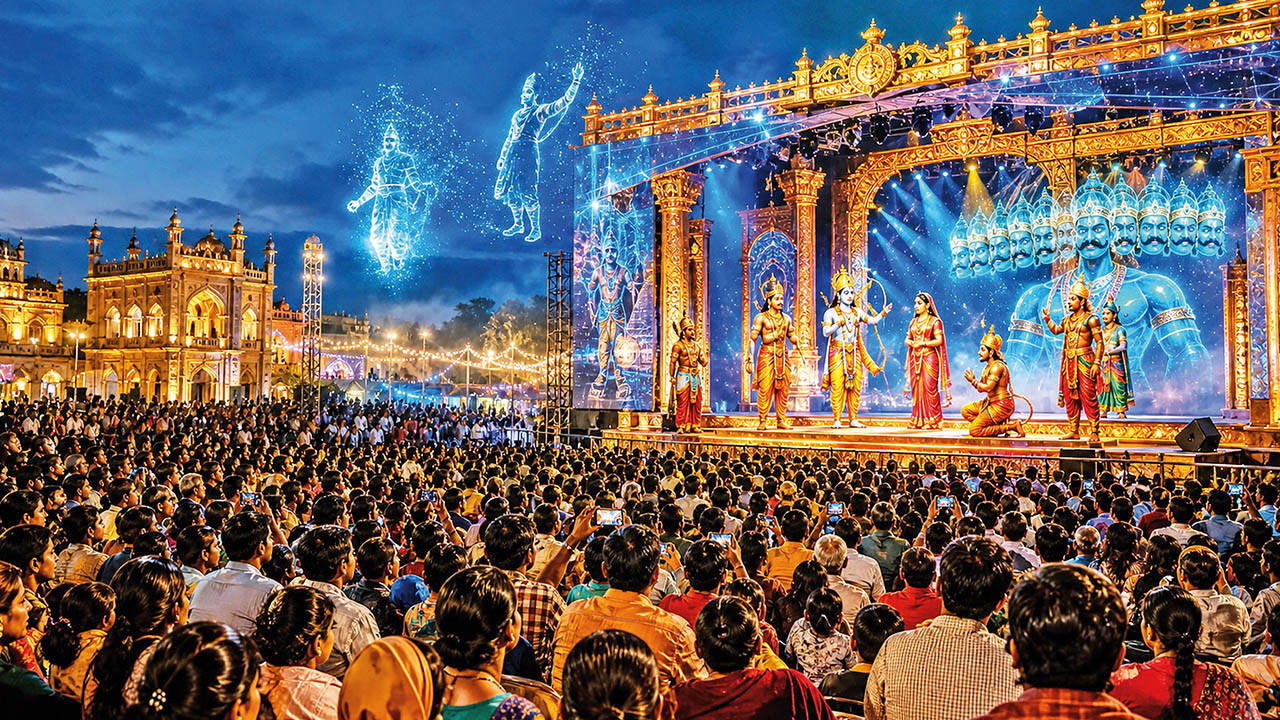
Uttar Pradesh's cultural heritage scene is undergoing an unexpected technological evolution as organizers of the iconic Aishbagh Ramleela integrate algorithmic visual generation into their annual productions. For generations, the event relied on traditional papier-mâché floats, pyrotechnics, and classical stagecraft. The introduction of machine learning algorithms to generate real-time atmospheric projections marks a fundamental shift in how religious epics are presented to modern audiences. Traditional artisans and conservative cultural purists have expressed apprehension regarding the mechanization of sacred storytelling, fearing the dilution of authentic craftsmanship. Conversely, committee organizers maintain that digital adaptation is essential to engage younger demographics who consume narratives primarily through screen-based interfaces. This tension highlights a broader cultural negotiation occurring across northern India as heritage institutions attempt to maintain relevance in a digital society. The tangible outcome of this experiment is a reimagining of community event financing, attracting tech-sector sponsorships alongside traditional merchant donations. Other regional festival committees are closely observing Lucknow's approach, signaling a wider commercial and aesthetic transformation for cultural pageantry across the Gangetic plains. Artistic production models will increasingly rely on hybrid teams combining traditional actors with software developers.
Comments 0