AI‑guided fire‑extinguishing drones undergo field trials in Colorado
Large‑scale drones equipped with artificial‑intelligence navigation are being tested to deliver water and retardant to wildfires. Early results suggest a potential shift in how fire suppression resources are allocated.
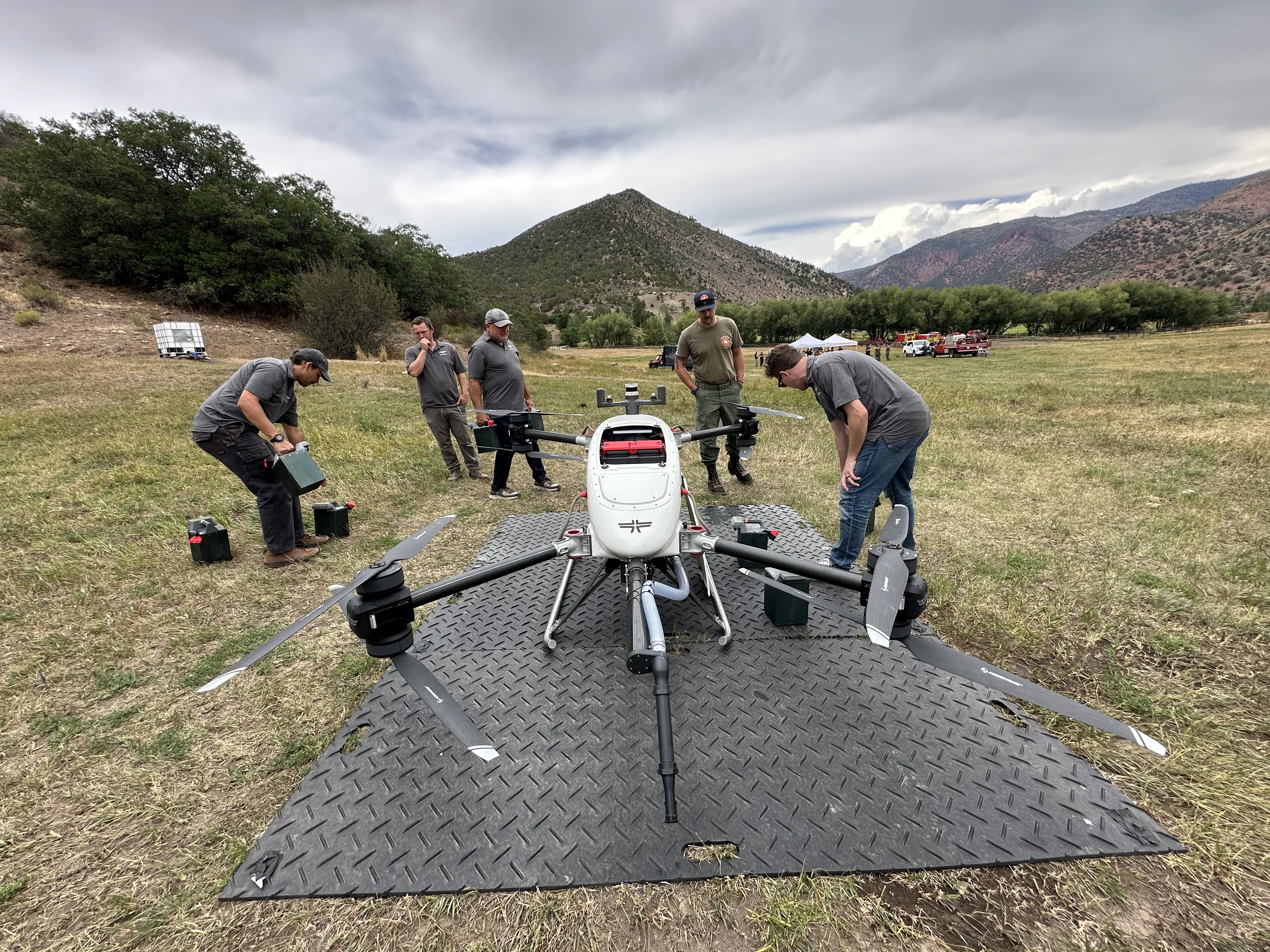
In Aspen, Colorado, a fleet of newly engineered drones equipped with AI‑driven flight control systems has begun operational trials aimed at combating wildfires. The drones, larger than conventional quadcopters, can carry substantial payloads of water or fire‑retardant chemicals and are programmed to identify hot spots using thermal imaging. Operators monitor the missions from a ground station, but the AI autonomously adjusts flight paths to avoid obstacles, maintain optimal altitude, and concentrate drops on the most active flames, thereby reducing human exposure to hazardous conditions.
The initiative emerges from a partnership between a private aerospace firm and state fire agencies seeking to augment traditional firefighting methods that rely heavily on manned aircraft and ground crews. The AI component enables rapid decision‑making in dynamic fire environments, where wind shifts and terrain can render conventional tactics less effective. Critics caution that the technology is still in its infancy, pointing to concerns about reliability in extreme weather and the need for robust regulatory frameworks governing autonomous aerial operations over populated areas.
Should the trials prove successful, fire departments across fire‑prone regions may adopt similar drone systems, potentially reshaping resource allocation and response times. The technology could also lower operational costs by reducing the number of expensive manned flights required during peak fire seasons. Within twelve months, a measurable decrease in response latency for initial fire suppression could be observed in jurisdictions that integrate AI‑enabled drones into their emergency response plans.
Comments 0