Air Chief Marshal Dixit Assumes Command Amidst Strategic Modernisation Imperative
Air Chief Marshal Ashutosh Dixit has taken the helm of the Indian Air Force, inheriting a portfolio defined by urgent modernisation and geopolitical volatility. His tenure marks a decisive shift towards indigenous capability and rapid deployment in a contested airspace.
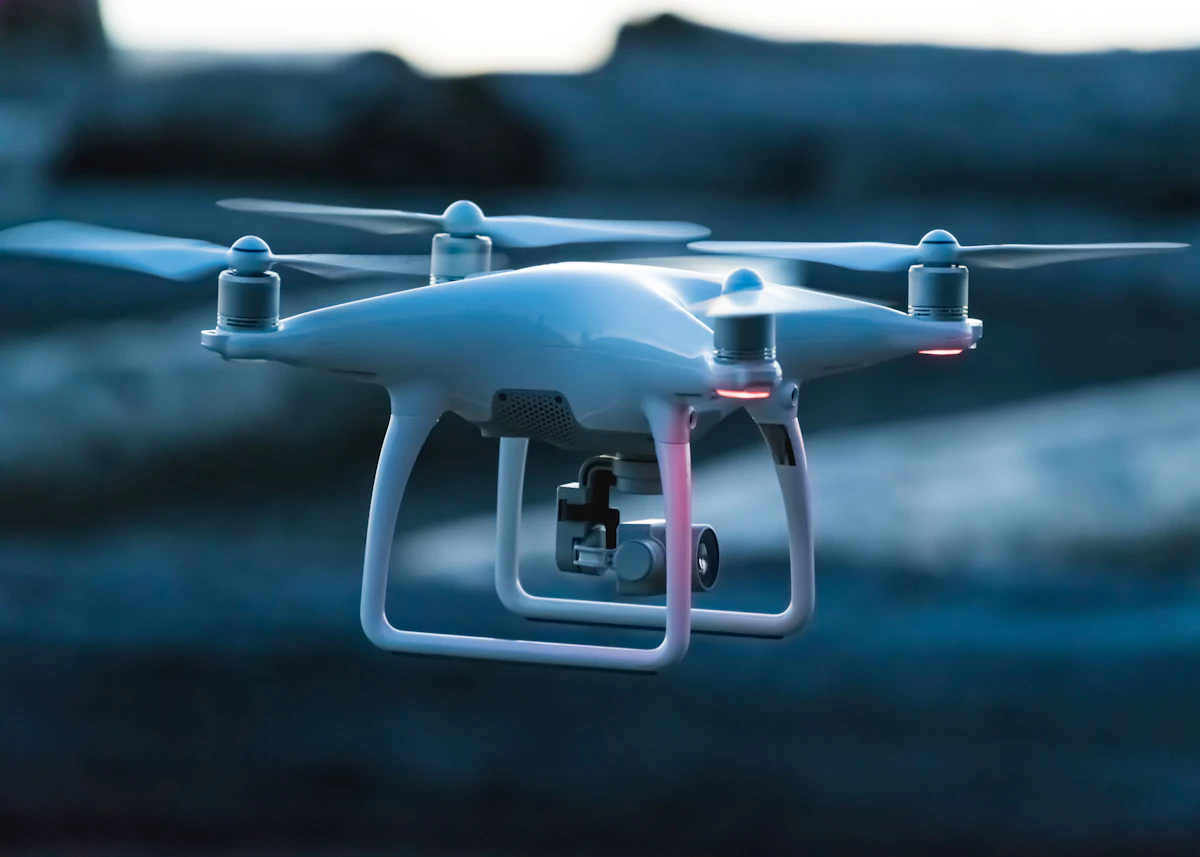
The transfer of command to Air Chief Marshal Ashutosh Dixit represents more than a ceremonial handover; it signals a recalibration of India's aerial doctrine in response to intensifying border tensions and the accelerating pace of global defence technology. Dixit steps into a role that demands immediate attention to the induction of fifth-generation fighters and the integration of unmanned systems, areas where the IAF has faced scrutiny regarding procurement delays and technological gaps. The new chief faces the dual burden of maintaining operational readiness while overseeing a massive overhaul of the force's structural and logistical frameworks.
The underlying tension within the institution stems from the gap between strategic ambition and fiscal reality. While the government has prioritised indigenous manufacturing under the Atmanirbhar Bharat initiative, the IAF must navigate complex supply chains and bureaucratic hurdles that have historically slowed defence projects. Dixit's mandate requires him to balance the immediate need for combat-ready assets with the long-term investment in research and development, a delicate equilibrium that has strained relations between the service and the Ministry of Defence in previous years.
The downstream impact of this leadership transition will be felt in the procurement of critical platforms and the restructuring of training academies. As India expands its strategic perimeter in the Indo-Pacific, the IAF's ability to project power and sustain prolonged operations will determine the nation's deterrence credibility. Dixit's decisions in the coming months will shape the technological trajectory of the air force, potentially accelerating the adoption of AI-driven surveillance and cyber warfare capabilities that are now central to modern aerial dominance.
Comments 0