Air India false hijack alarm traced to ATC software glitch, probe launched
A technical fault in the Mumbai air traffic control system is suspected to have triggered a spurious hijack warning on an Air India flight. The incident has prompted a multi‑agency investigation into procedural safeguards and software integrity.
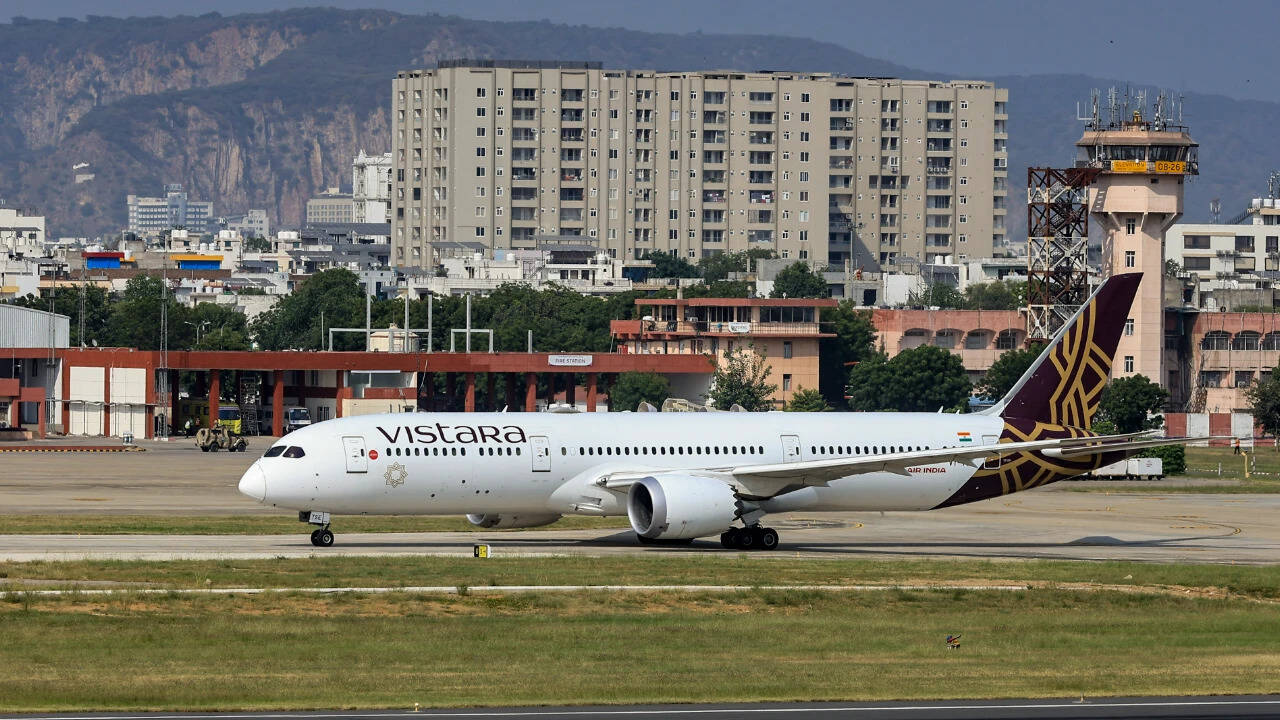
On a routine domestic route, an Air India aircraft received an erroneous hijack alert that forced pilots to adopt emergency protocols, diverting the plane and unsettling passengers. Preliminary analysis points to a malfunction in the air traffic control software that misinterpreted routine data as a security breach, exposing a vulnerability in a system that manages thousands of flights daily. The glitch not only disrupted a single flight but also raised questions about the resilience of India's aviation oversight mechanisms.
The Directorate General of Civil Aviation, together with the Ministry of Electronics and Information Technology, has ordered a comprehensive audit of the ATC platform, demanding immediate patches and a review of change‑management procedures. Stakeholders fear that similar faults could recur if systemic flaws remain unaddressed, potentially eroding public confidence in air travel safety. Airlines have been instructed to heighten monitoring of ATC communications while the probe gathers technical logs and operator testimonies.
If the investigation confirms software deficiencies, the fallout may compel the government to overhaul legacy systems, allocate fresh budgetary resources, and enforce stricter certification standards for aviation software. Such reforms could reshape the procurement for future ATC upgrades, granting a competitive edge to domestic tech firms that meet heightened security criteria. The episode underscores how a single digital error can ripple through national infrastructure, affecting passengers, airlines, and regulatory bodies alike.
Comments 0