Air India Ordered to Pay Rs 25 Lakh After Passenger Denied Boarding Dies
A Delhi court has ordered Air India to pay Rs 25 lakh in compensation after a passenger traveling for urgent spine surgery was denied boarding on an overbooked flight and died the following day. The verdict underscores the severe legal and reputational risks airlines face when overbooking practices intersect with critical medical emergencies.
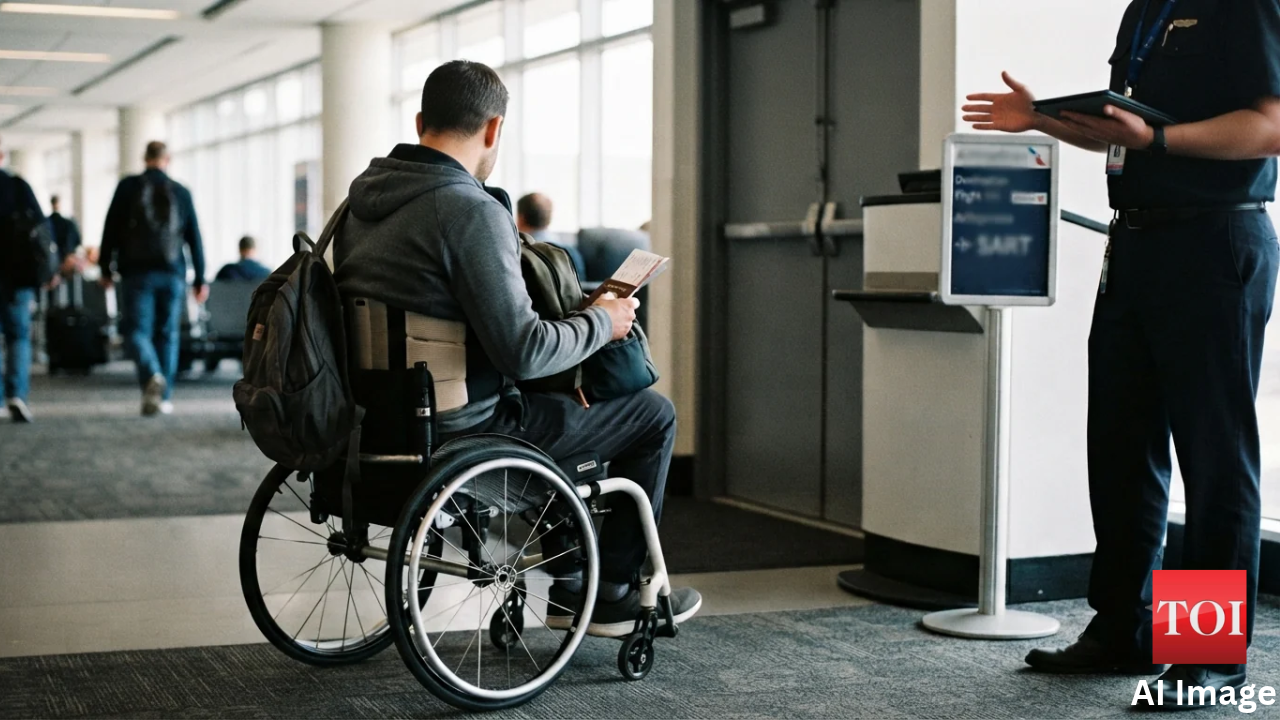
The concrete rupture in this case is the tragic loss of life resulting from a routine airline practice: overbooking. A passenger with a confirmed business-class ticket was denied boarding on a flight to India, where he was scheduled to undergo urgent spine surgery. The denial of boarding, a standard procedure for airlines to manage capacity, had catastrophic consequences in this instance, as the passenger died the next day. The court's order for Air India to pay Rs 25 lakh in compensation is a stark reminder that the legal liability for such decisions extends far beyond the immediate inconvenience of a delayed flight. This outcome forces airlines to reconsider the risk assessment involved in overbooking, particularly when passengers have disclosed medical emergencies.
The underlying tension lies in the conflict between commercial efficiency and human welfare. Airlines operate on thin margins and rely on overbooking to ensure full capacity, a practice that is legally permissible but ethically fraught. The institutional friction here is between the airline's operational protocols and the legal and moral obligations to ensure passenger safety and well-being. The court's decision highlights the inadequacy of current airline policies in handling such extreme cases, where the consequences of a denied boarding are not just financial but potentially fatal. This case will likely prompt a reevaluation of how airlines handle passengers with medical emergencies, potentially leading to stricter guidelines or mandatory disclosures.
The downstream casualties of this incident are not just the deceased passenger and his family, but also the broader trust in airline safety and customer care. The tangible outcome is a significant financial penalty for Air India, which will likely be reflected in higher operational costs and potentially higher ticket prices for consumers. The case also serves as a warning to other airlines, signaling that the legal system is willing to hold them accountable for the consequences of their operational decisions. The reputational damage to Air India could be long-lasting, affecting its brand value and customer loyalty in a competitive market. This incident underscores the need for a more humane approach to airline operations, where the value of human life is not subordinated to commercial interests.
Comments 0