Airlines Push Back Against Navi Mumbai Relocation, Challenge Slot Cuts
Major carriers have formally rejected the government’s proposal to shift operations to Navi Mumbai and have lodged objections to the planned reduction of summer slots at Mumbai’s primary airport. The standoff threatens to delay a key component of the city’s aviation expansion plan.
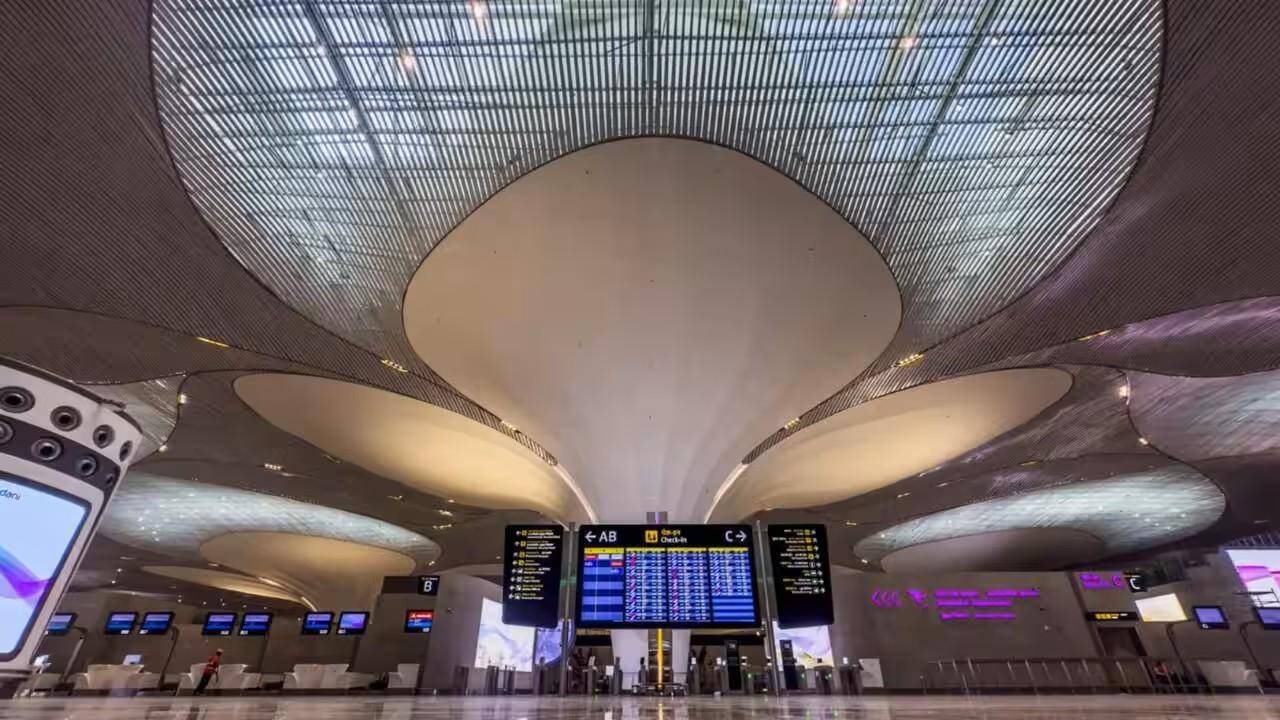
The airlines’ collective refusal represents a concrete rupture in the coordination between the Ministry of Civil Aviation and the airport authority, as carriers argue that the proposed relocation would disrupt established route networks and increase operational costs. The objection, filed by a coalition of domestic and international airlines, cites the lack of adequate infrastructure at the Navi Mumbai site and the potential loss of revenue from reduced slot availability during the peak summer travel season. The immediate effect has been the postponement of the slot‑reduction timetable, leaving the airport’s capacity planning in limbo.
Underlying this dispute is a tension between the government’s ambition to decongest the overburdened Chhatrapati Shivaji Maharaj International Airport and the airlines’ concern for profitability and passenger convenience. The airport authority’s plan to shift low‑cost carriers to Navi Mumbai was intended to free up premium slots for legacy airlines, but the carriers contend that the new terminal lacks the necessary passenger amenities and ground‑handling capabilities. Institutional friction has emerged as the aviation ministry attempts to enforce the slot‑reduction policy while airlines invoke regulatory provisions to contest the changes.
The downstream impact could reshape the city’s air‑travel . If the airlines maintain their opposition, the slot‑reduction schedule may be delayed, preserving current traffic levels but slowing the broader airport expansion agenda. Passengers could face continued congestion and higher fares during the summer months, while the government may need to renegotiate terms or offer incentives to secure carrier compliance. Over the next year, the stalemate may prompt a reassessment of Mumbai’s long‑term aviation strategy, potentially leading to alternative solutions such as increased investment in secondary airports.
Comments 0