Akhilesh Yadav’s Political Rebranding: A Break from the Mulayam Legacy
Akhilesh Yadav’s shift towards a 'sanatani' political identity marks a significant departure from the legacy of his father, Mulayam Singh Yadav. This rebranding is a strategic move to appeal to a broader electorate and secure his political future in Uttar Pradesh.
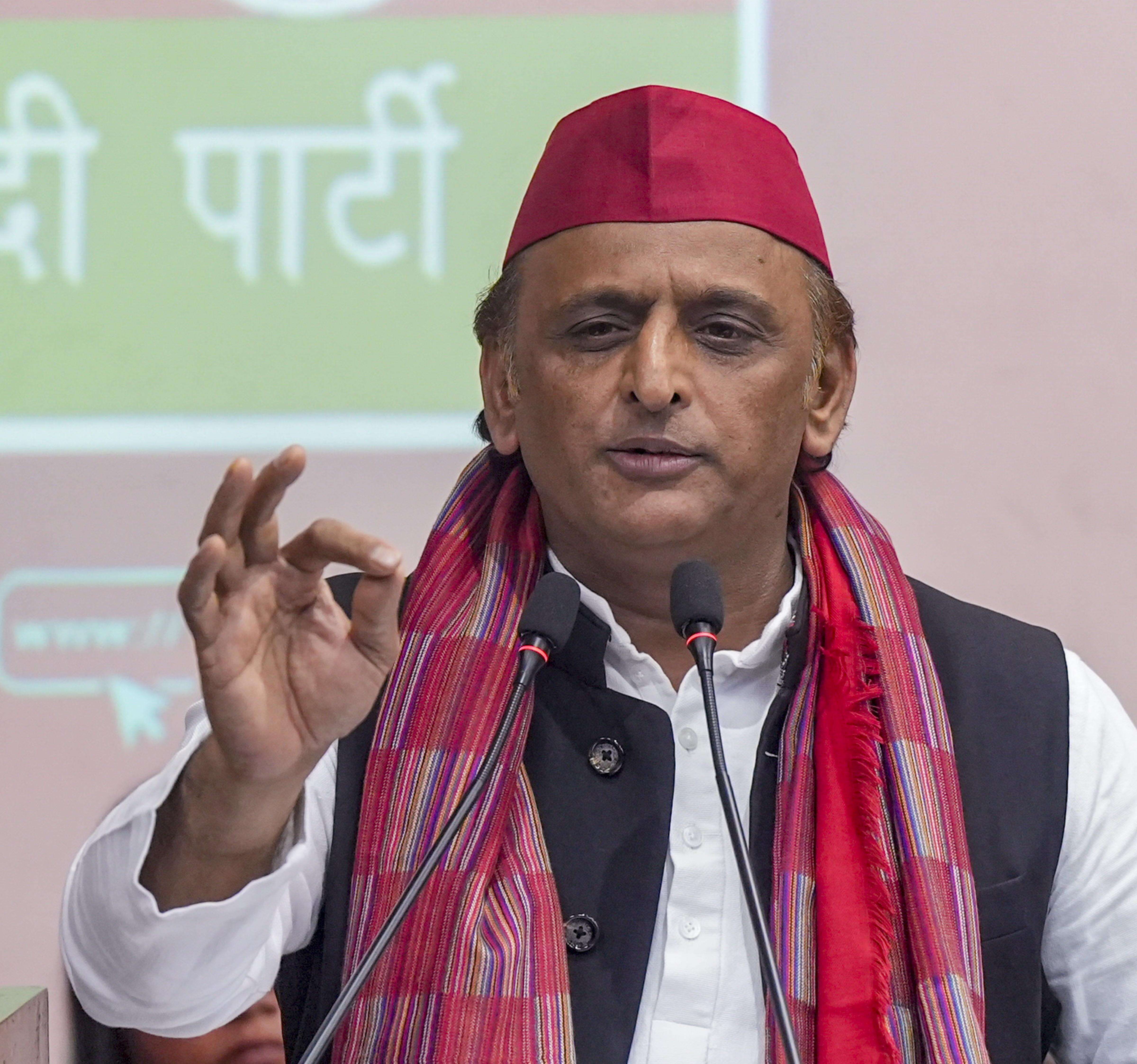
The political in Uttar Pradesh is shifting as Akhilesh Yadav increasingly adopts a 'sanatani' identity, marking a clear break from the legacy of his father, Mulayam Singh Yadav. This is not a subtle change but a deliberate rebranding, aimed at appealing to a wider segment of the electorate and distancing himself from the perceptions associated with his father’s political brand. The move reflects the evolving dynamics of Hindu-Muslim politics in the state and the need for political leaders to adapt to changing social and electoral realities.
The underlying tension is the challenge of balancing regional identity with national political trends. Akhilesh’s rebranding is a response to the growing influence of Hindu nationalism in Indian politics and the need to remain relevant in a competitive electoral environment. This shift is also a reflection of the internal dynamics within the Samajwadi Party, as it seeks to redefine its ideological position and broaden its appeal beyond its traditional base.
The tangible outcome is a potential realignment of political alliances and voter preferences in Uttar Pradesh. Akhilesh’s new identity may attract a different set of voters, potentially altering the balance of power in the state. This rebranding will be closely watched as a test of whether a political leader can successfully transform their image and ideology to suit changing political winds, with significant implications for the future of Indian politics.
Comments 0