Allahabad High Court Digitizes Legal History with AI-Assisted Hindi Translation of 100,000 Judgments
The Allahabad High Court has made 100,000 historical judgments accessible in Hindi through AI-assisted translation, a move designed to bridge the linguistic divide in Indian jurisprudence. This initiative significantly lowers the barrier to legal knowledge for non-English speaking citizens and legal practitioners across the state.
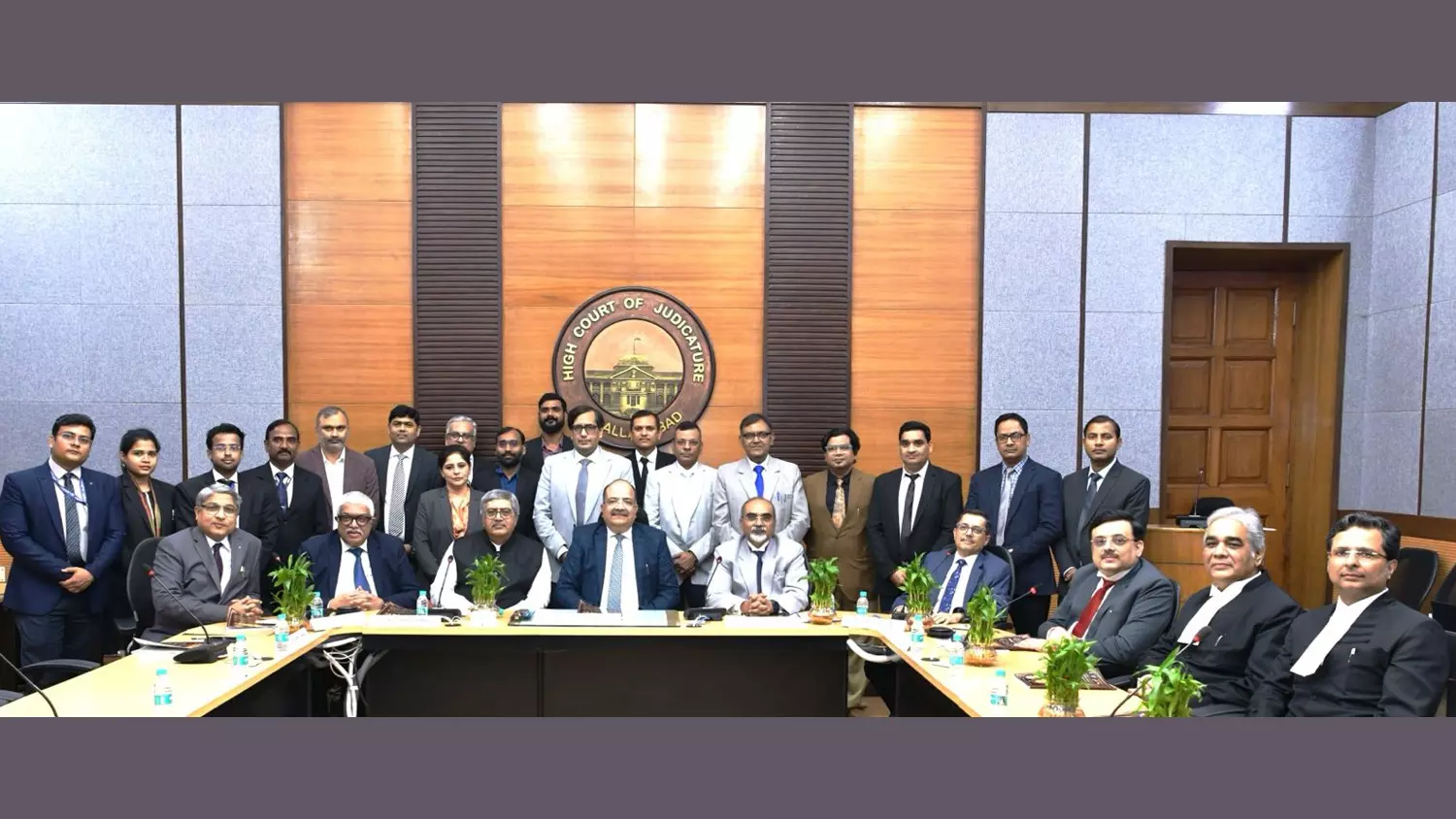
In a decisive move to democratize access to justice, the Allahabad High Court has deployed artificial intelligence to translate 100,000 judgments into Hindi. This concrete rupture in traditional legal archiving breaks the long-standing monopoly of English as the primary language of high court records. By making these documents available in the vernacular, the court has effectively removed a significant cognitive and financial barrier for millions of citizens who previously could not afford or access the original English texts.
The underlying tension driving this initiative stems from the persistent gap between the language of the law and the language of the people. For decades, the reliance on English in higher judiciary proceedings has created an institutional friction that favored those with elite educational backgrounds. The use of AI in this context is not merely a technological upgrade but a strategic response to the demand for linguistic justice, acknowledging that the rule of law cannot be fully realized if its foundational texts remain opaque to the majority of the population.
The tangible outcome of this project is a more informed citizenry and a more efficient legal ecosystem. Lawyers and litigants in Uttar Pradesh and neighboring states can now engage with precedent without the cost of manual translation, potentially reducing the time and resources spent on case preparation. Over the next 12 months, this model is likely to be adopted by other high courts, leading to a structural shift in how legal knowledge is disseminated and consumed in India, ultimately strengthening the accountability of the judiciary to the public it serves.
Comments 0