Allahabad High Court Orders Man's Custody For Video Recording Its Hearing; Bars Litigants From Carrying Mobiles Into Courtrooms
The Allahabad High Court has ordered the custody of a man who recorded a hearing, emphasizing that open justice does not permit free broadcasting. The court has also barred litigants from carrying mobile phones into courtrooms to maintain decorum.
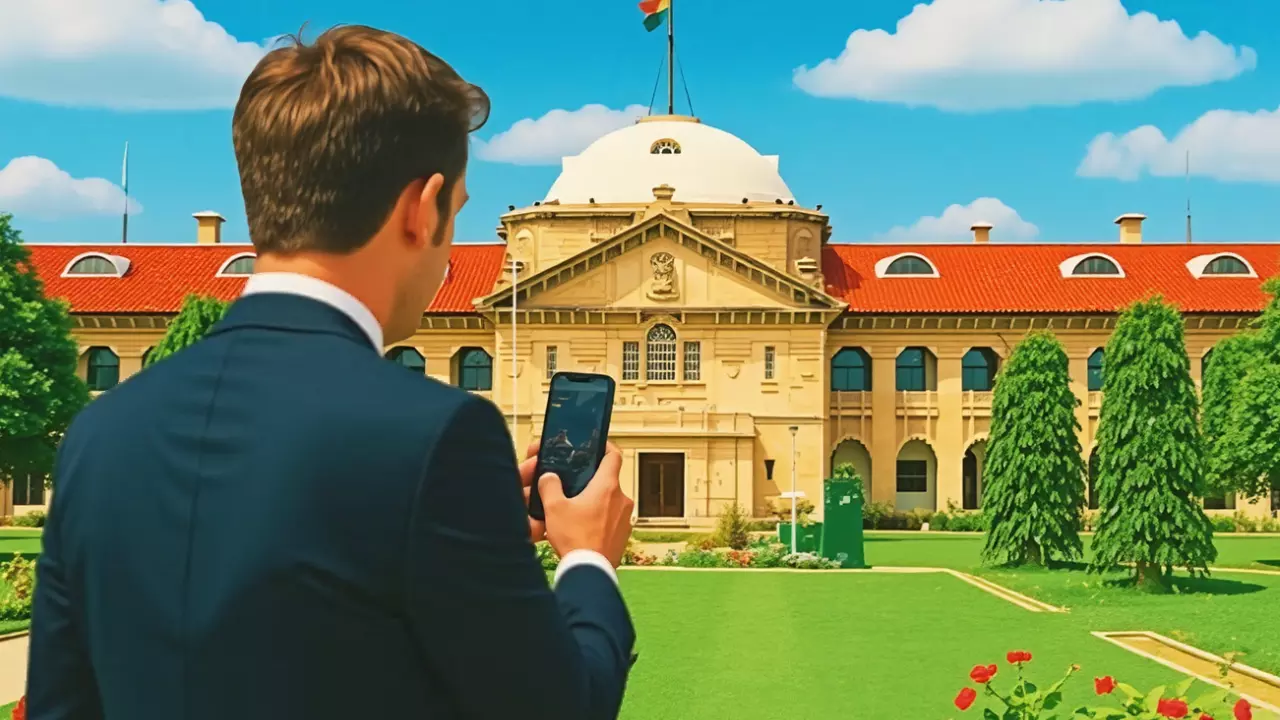
The Allahabad High Court has taken a stern stance against the unauthorized recording of judicial proceedings, ordering the custody of a man caught filming a hearing. The bench clarified that while the principle of open justice is fundamental to the legal system, it does not equate to a free-for-all broadcast environment. The court explicitly stated that court proceedings are not intended for entertainment purposes, and such actions undermine the dignity and seriousness of the judicial process. This move signals a stricter enforcement of courtroom rules to prevent the misuse of legal hearings for viral content or personal gain.
In a broader directive, the High Court has barred litigants, lawyers, and other parties from carrying mobile phones into the courtrooms. This restriction aims to eliminate distractions and ensure that all participants remain focused on the matters at hand. The court expressed concern that the presence of mobile devices often leads to unauthorized recording, which can compromise the privacy of parties involved and the integrity of the proceedings. By enforcing this ban, the judiciary seeks to create a controlled environment where justice can be administered without the interference of digital media.
For readers in India, this development highlights the ongoing tension between transparency and the proper conduct of courts. While citizens have a right to know how justice is delivered, the manner in which that information is captured and shared is subject to strict legal boundaries. This ruling serves as a warning to anyone considering recording court sessions without permission, as it may lead to legal consequences. It reinforces the idea that respect for the court is essential, and that the digital age has not changed the fundamental rules of judicial decorum.
Comments 0