Ambuja Group Commits Three Thousand Crore to Bengal's Hospitality Infrastructure
The Ambuja Group has announced a significant investment of 3,000 crore rupees in West Bengal's hospitality sector, aiming to transform the state's tourism infrastructure. This move positions Kolkata as a premier business and leisure destination, challenging established markets in the east.
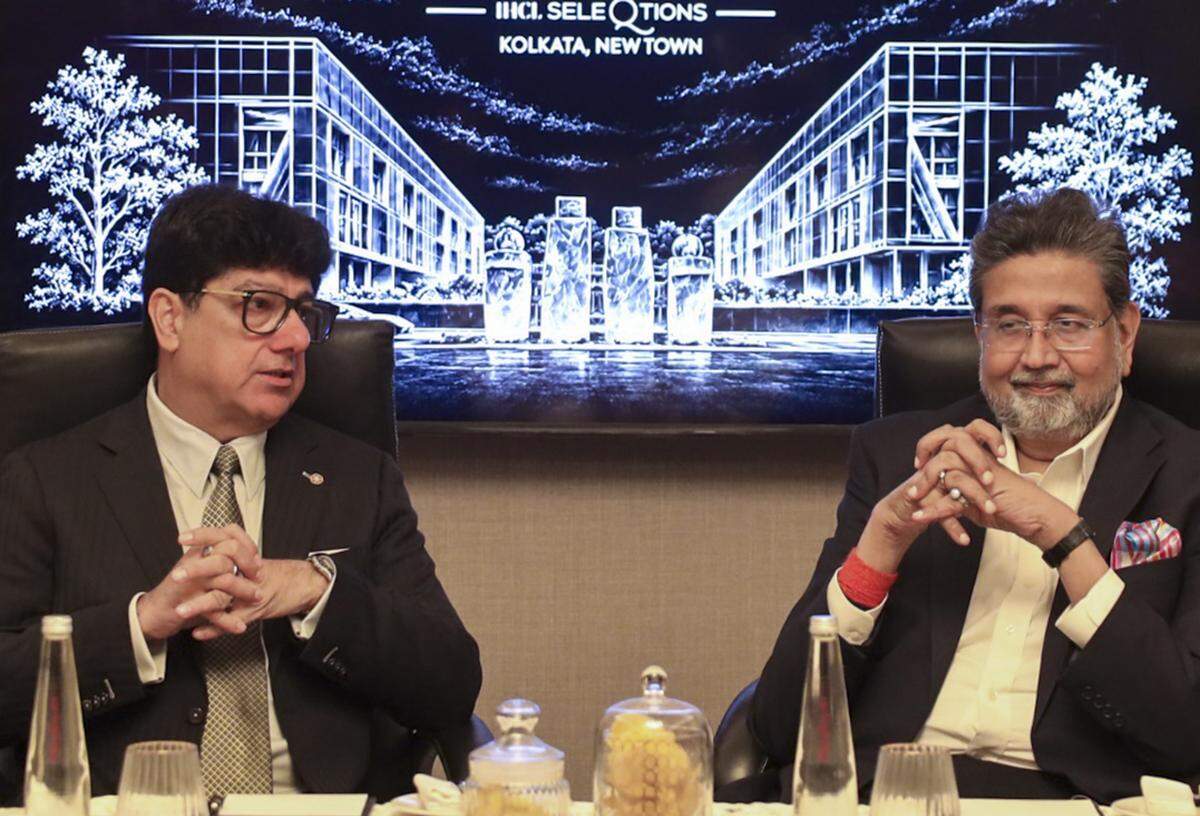
The Ambuja Group's decision to pour 3,000 crore rupees into West Bengal's hospitality sector marks a moment in the state's economic narrative, shifting focus from traditional industrial output to high-value service industries. This substantial capital injection is designed to create a robust ecosystem of luxury hotels, convention centres, and integrated resorts, directly addressing the infrastructure deficit that has hindered Bengal's growth as a global tourism hub. The project is expected to generate thousands of direct and indirect jobs, providing a much-needed boost to the local labour market.
The underlying tension in this development lies in the competitive dynamics of the Indian hospitality market, where established players in Mumbai and Delhi have long dominated the luxury segment. By targeting West Bengal, Ambuja is leveraging the state's rich cultural heritage and strategic location to attract both domestic and international tourists who seek alternatives to saturated markets. This move also reflects a broader corporate strategy to diversify portfolios beyond cement and real estate, tapping into the growing demand for experiential travel and business conferences.
The tangible outcome of this investment will be a reshaping of Kolkata's urban , with new architectural landmarks and improved connectivity to surrounding tourist destinations. The ripple effects will extend to allied sectors such as transport, retail, and food services, creating a multiplier effect that could elevate the state's GDP contribution. However, the success of this venture will depend on the state government's ability to streamline regulatory approvals and ensure sustainable urban planning, avoiding the pitfalls of unchecked commercialisation that have plagued other metropolitan areas.
Comments 0