An Appeal for Structural Industrial Reforms
Prime Minister Narendra Modi has invited corporate leaders to submit direct, unvarnished proposals for comprehensive industry reforms. The call marks a push to recalibrate economic policy following evaluations of the past decade of governance.
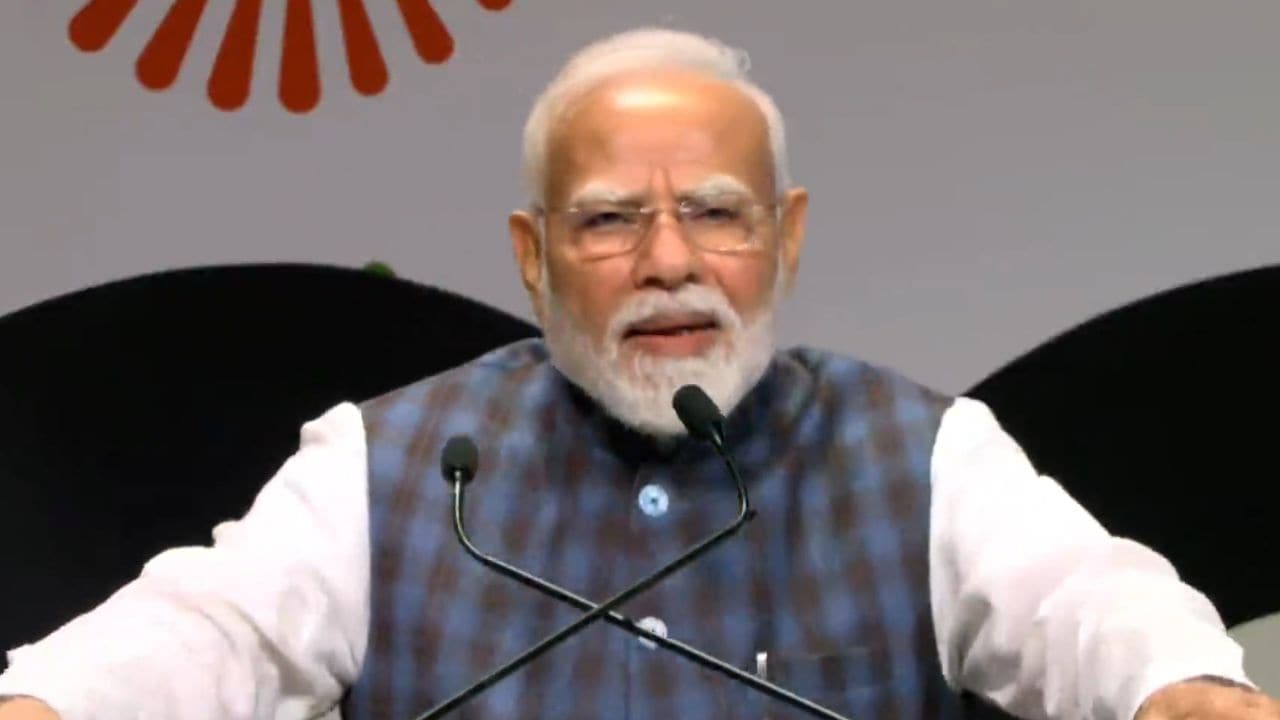
In a direct overture to the nation's economic architects, Prime Minister Narendra Modi urged corporate entities to present unvarnished recommendations for structural industrial reforms. Reviewing the trajectory of economic development over the preceding dozen years, the administration seeks to streamline regulatory frameworks and remove operational bottlenecks that constrain private sector expansion. This direct communication channel bypasses conventional bureaucratic layers, signaling an intent to forge tighter synergy between state policy and corporate enterprise.
The initiative unfolds against a backdrop of shifting global supply chains and domestic demands for accelerated manufacturing growth. India Inc has long lobbied for reduced compliance burdens, simplified taxation architectures, and enhanced ease of doing business across federal jurisdictions. By soliciting direct petitions, the executive branch acknowledges that sustainable GDP expansion requires collaborative inputs from the entities driving capital expenditure and employment generation.
The downstream outcomes of this consultative push will likely manifest in upcoming fiscal legislations and administrative rule adjustments. If translated into actionable policy, these reforms could lower entry barriers for emerging enterprises and bolster investor confidence. However, the ultimate success hinges on how effectively the administrative machinery can execute these corporate recommendations without compromising regulatory oversight or social equity mandates.
Comments 0