Ancient Owl Fossil Sheds Light on Evolution of Nocturnal Hunting
Scientists uncovered a 47‑million‑year‑old owl fossil that contains the remains of a cockroach, offering clues about when owls adopted night‑time predation. The discovery adds a new chapter to the understanding of avian evolutionary timelines.
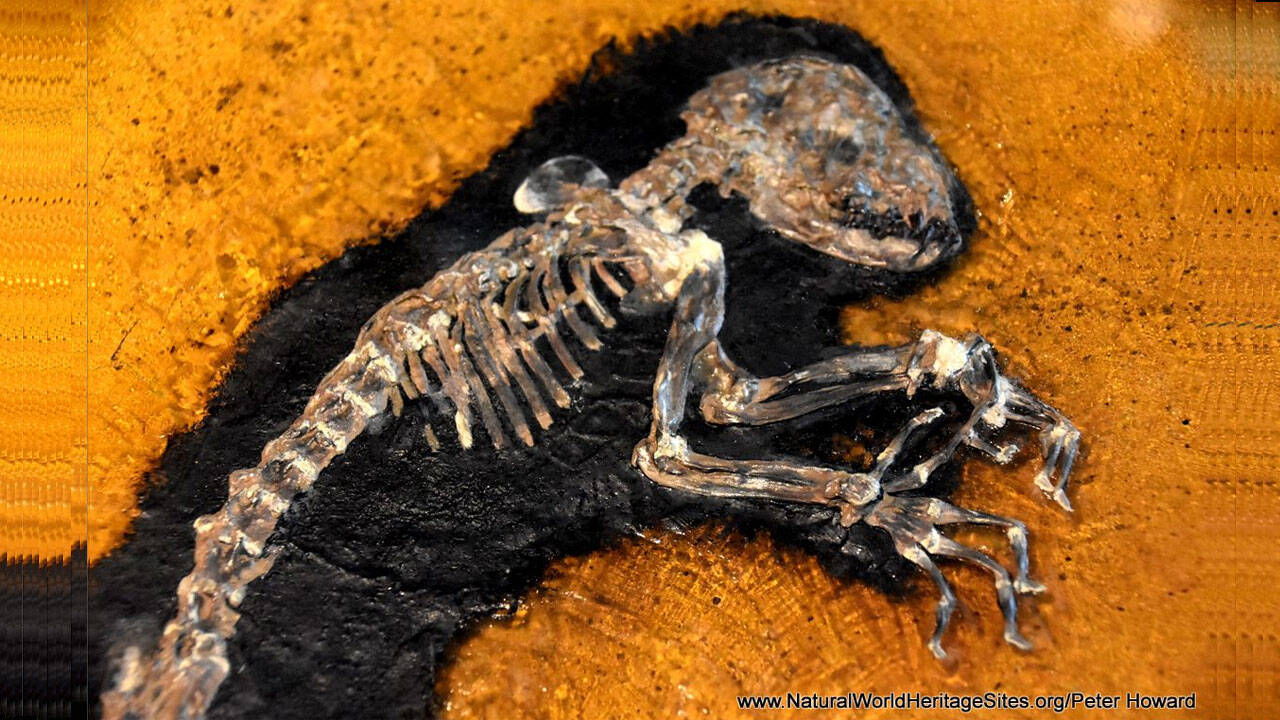
The concrete rupture was the unearthing of a tiny owl skeleton in sedimentary layers of the early Eocene, with a perfectly preserved cockroach lodged in its digestive tract. Radiometric dating placed the specimen at approximately 47 million years old, making it one of the oldest known owl fossils. The presence of a nocturnal insect prey suggests that the owl was already adapted to hunting under low‑light conditions, challenging previous assumptions about the timing of this behavioural shift.
Underlying tension lies in the debate among paleontologists regarding the drivers of nocturnal adaptation. Some scholars argue that the emergence of diurnal predators forced early owls to exploit the night niche, while others contend that climatic changes created new ecological opportunities. The fossil provides tangible evidence that supports the latter hypothesis, indicating that environmental factors may have played a decisive role.
The downstream casualties are primarily in the realm of scientific narrative. Textbooks that previously dated owl nocturnality to a later period will need revision, and ongoing research projects may redirect focus toward exploring other early avian fossils for similar evidence. In the next year, the find is expected to stimulate renewed field expeditions in Eocene strata, potentially uncovering further specimens that refine the evolutionary timeline of raptorial birds.
Comments 0