Architectural Triumph In The Gobi Desert As Hami Pterosaur Museum Opens
Architects have successfully completed the Hami Pterosaur Museum in China's harsh Gobi desert, creating a sustainable structure designed to withstand extreme environments while housing ancient fossils. The silver-hued facility merges ecological engineering with paleontology to thrive in one of the planet's most inhospitable landscapes.
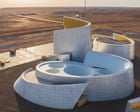
Rising from the arid expanses of the Gobi desert, the newly constructed Hami Pterosaur Museum stands as a remarkable feat of contemporary environmental architecture. Designed to resemble prehistoric fossils embedded in shifting sands, the silver-hued structure was engineered specifically to endure extreme temperature fluctuations, high winds, and corrosive dust storms. Architects collaborated closely with structural scientists to utilize advanced thermal insulation and passive cooling techniques, ensuring the museum remains functional without relying on excessive energy consumption. The location itself holds immense historical value, serving as the site where unprecedented concentrations of pterosaur fossils and eggs were unearthed.
The underlying tension highlights the historical challenge of constructing and maintaining cultural institutions in remote, extreme environments without degrading the surrounding fragile desert ecosystem. Traditional museum designs relying on standard HVAC systems fail miserably in the Gobi, necessitating innovative engineering approaches that treat the harsh climate as a structural partner rather than an adversary. This project demonstrates a paradigm shift in institutional architecture, where sustainability and resilience take precedence over conventional aesthetic norms. The successful integration of the building into the desert provides a blueprint for future scientific outposts in inhospitable regions.
The tangible outcome of this architectural endeavor is the creation of a premier global hub for paleontological research and eco-tourism in a previously overlooked region. The facility will protect priceless fossil specimens while drawing international scholars and visitors to northwestern China, boosting local economic activity through specialized scientific tourism. More broadly, the museum serves as a to the viability of climate-adaptive architecture in an era of intensifying environmental extremes.
Comments 0