Asaduddin Owaisi and Chandrashekhar Azad Forge Electoral Pact to Disrupt Uttar Pradesh Politics
AIMIM chief Asaduddin Owaisi and Nagina MP Chandrashekhar Azad have announced the formation of the Samajik Parivartan Morcha for the upcoming Uttar Pradesh assembly elections. The new coalition aims to consolidate marginalized voter blocks and directly challenge established political equations.
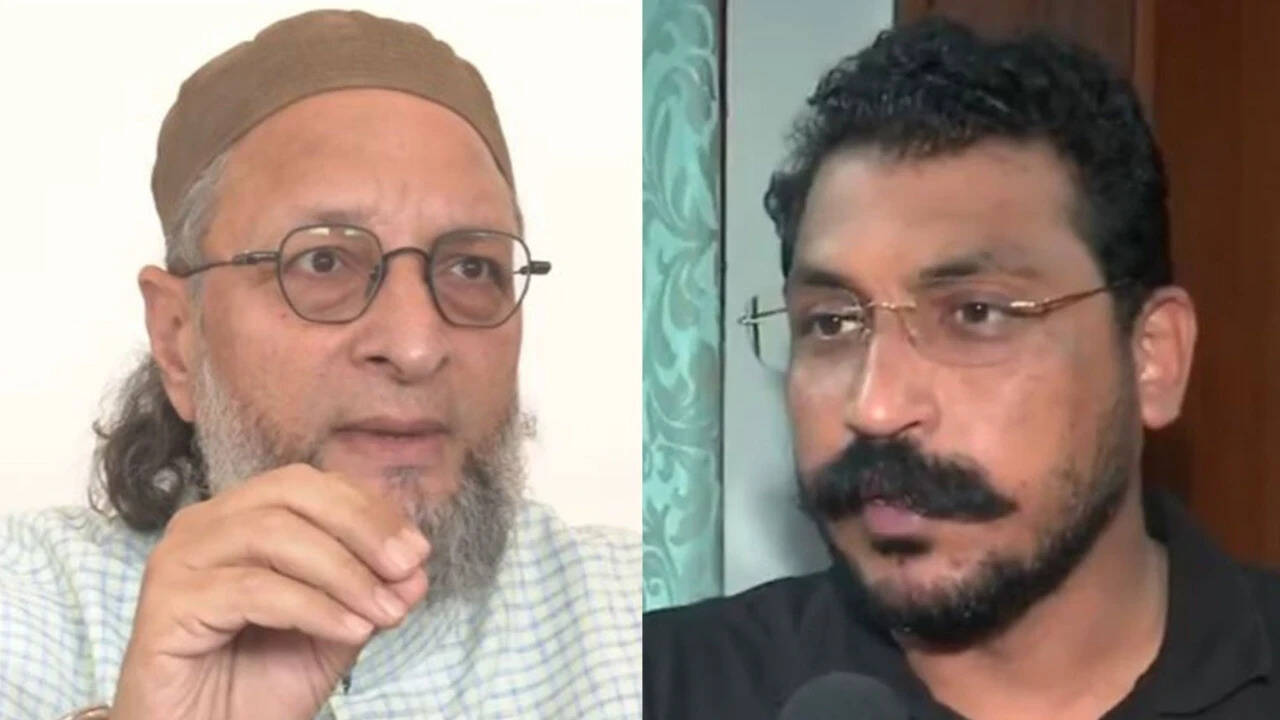
The political calculus of Uttar Pradesh faces a significant realignment with the formal announcement of a new electoral coalition between Asaduddin Owaisi and Chandrashekhar Azad. Unveiled under the banner of the Samajik Parivartan Morcha, the alliance positions Azad as the chief ministerial candidate for the upcoming assembly elections, signaling an aggressive push for alternative leadership among marginalized communities. By uniting the organizational reach of AIMIM with the grassroots mobilization power of Azad's party, the coalition seeks to carve out a distinct political space independent of traditional state power brokers.
This political maneuver introduces profound friction into the broader opposition strategy, particularly challenging the dominance of the Samajwadi Party and its regional outreach. For years, major opposition blocs relied on an assumed consolidation of specific demographic votes to counter the ruling administration. The emergence of the Samajik Parivartan Morcha directly challenges this premise, offering voters an uncompromised alternative that refuses to play second fiddle to older, established formations. Political analysts note that this fragmentation of the opposition vote bank could fundamentally alter electoral arithmetic in numerous constituencies where marginalized voter turnout holds decisive sway.
Immediate downstream consequences include heightened political polarization across western and eastern Uttar Pradesh, forcing ruling and opposition parties to recalibrate their campaign narratives. As the state moves closer to the electoral cycle, the coalition will face rigorous tests regarding candidate selection, grassroots financing, and the ability to withstand counter-mobilization efforts from larger national parties. The ultimate success of the Morcha will be measured not merely by seat shares, but by its capacity to permanently alter the bargaining power of minority and Dalit communities within the state political architecture.
Comments 0