Assam Restructures Recruitment Protocols And Imposes Environmental Levies
The Assam cabinet instituted a twelve percent reservation policy for former Agniveer personnel across multiple state security branches alongside new environmental taxes on aging vehicles. These measures simultaneously reshape regional employment pathways for military veterans and attempt to curb vehicular emissions.
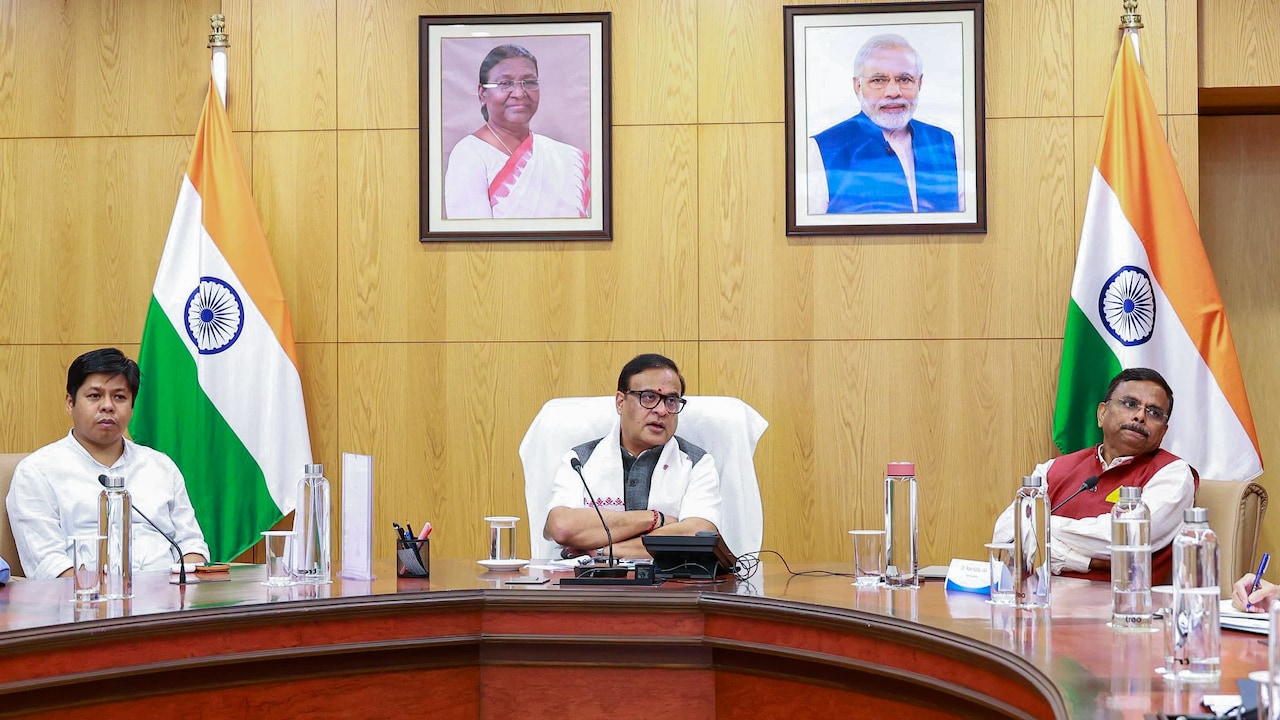
In a decisive policy shift, the Assam government formally integrated national military recruitment graduates into local administrative and protective services. By reserving a substantial portion of positions in the armed and unarmed constabularies, commando units, and forest departments, the state administration provided a tangible career transition for demobilized youth. Concurrently, the cabinet introduced fiscal penalties aimed at older, highly polluting commercial and private transport networks operating within urban centers. These concurrent policy enactments highlight the complex interplay between national defense reforms and regional fiscal management. State authorities frequently absorb the downstream socioeconomic shocks of central military restructuring while simultaneously grappling with localized ecological degradation. Balancing the integration of disciplined young veterans with municipal green transitions requires precise bureaucratic coordination and sustained budgetary allocation. Local job seekers outside the military pipeline may face heightened competition for remaining public sector vacancies as veteran quotas absorb available municipal slots. Meanwhile, vehicle owners possessing older models must absorb the immediate financial sting of the new green tax or retire their assets, accelerating fleet modernization across the Brahmaputra valley.
Comments 0