Assam Rifles Chief Reviews Fence Build‑out Along India‑Myanmar Frontier in Manipur
The Director General of Assam Rifles inspected recent security and fencing operations along the volatile India‑Myanmar border in Manipur, highlighting progress and persisting gaps. The review comes amid renewed insurgent activity in the region's remote valleys.
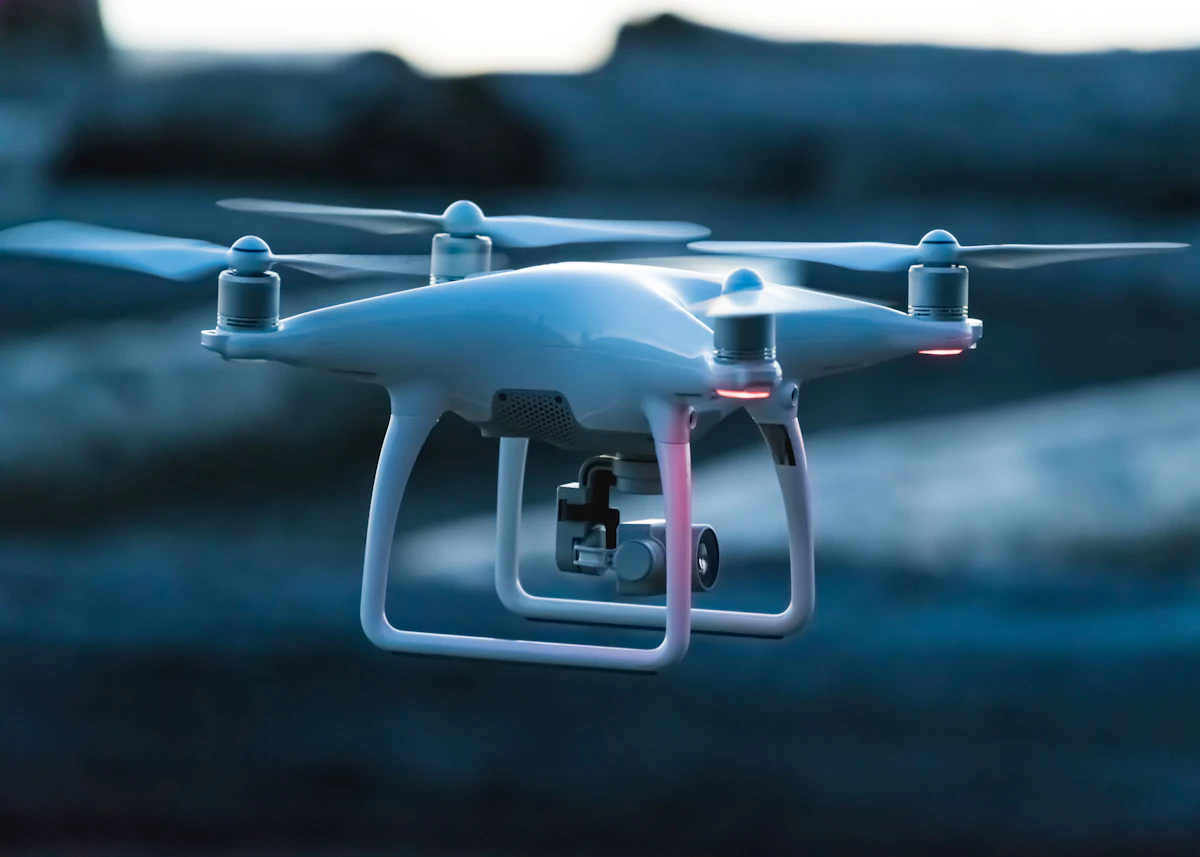
In a high‑visibility visit to the border districts of Manipur, the Assam Rifles Director General surveyed newly erected barbed‑wire barriers, observation posts, and patrol routes designed to stem cross‑border infiltration. The inspection team documented the completion of over 70 percent of the planned fencing, noting that engineering units had overcome difficult terrain by employing aerial ropeways and local labour. Officials also reviewed the integration of night‑vision equipment and drone surveillance to augment ground patrols, emphasizing a layered approach to frontier security.
The underlying tension is rooted in a history of insurgent groups exploiting porous stretches of the international boundary to move arms, narcotics, and personnel. Diplomatic channels with Myanmar remain strained, limiting joint patrols and intelligence sharing. Within India, the Ministry of Home Affairs and the Ministry of Defence coordinate to allocate resources, yet competing priorities in other border sectors sometimes delay fund disbursement for the Manipur project. Local political leaders have pressed for accelerated work, arguing that inadequate security hampers economic development and fuels displacement.
The immediate impact of the review includes a renewed directive to fast‑track the remaining 30 percent of the fence, with an earmarked budget increase approved by the central government. Security analysts predict that a more robust barrier will reduce the frequency of cross‑border raids, thereby lowering civilian casualties and property loss in border villages. However, insurgent groups may adapt by shifting routes or intensifying attacks on infrastructure, prompting a need for continuous tactical reassessment.
Comments 0