Asymmetric Munitions Drain Accelerates Strategic Anxiety Over Interceptor Stocks
United States military forces are burning through high end Patriot and THAAD interceptor stocks at an unsustainable rate to counter evolving Iranian missile tactics. Strategic planners face mounting operational strain as inexpensive adversary projectiles force disproportionate defensive expenditures.
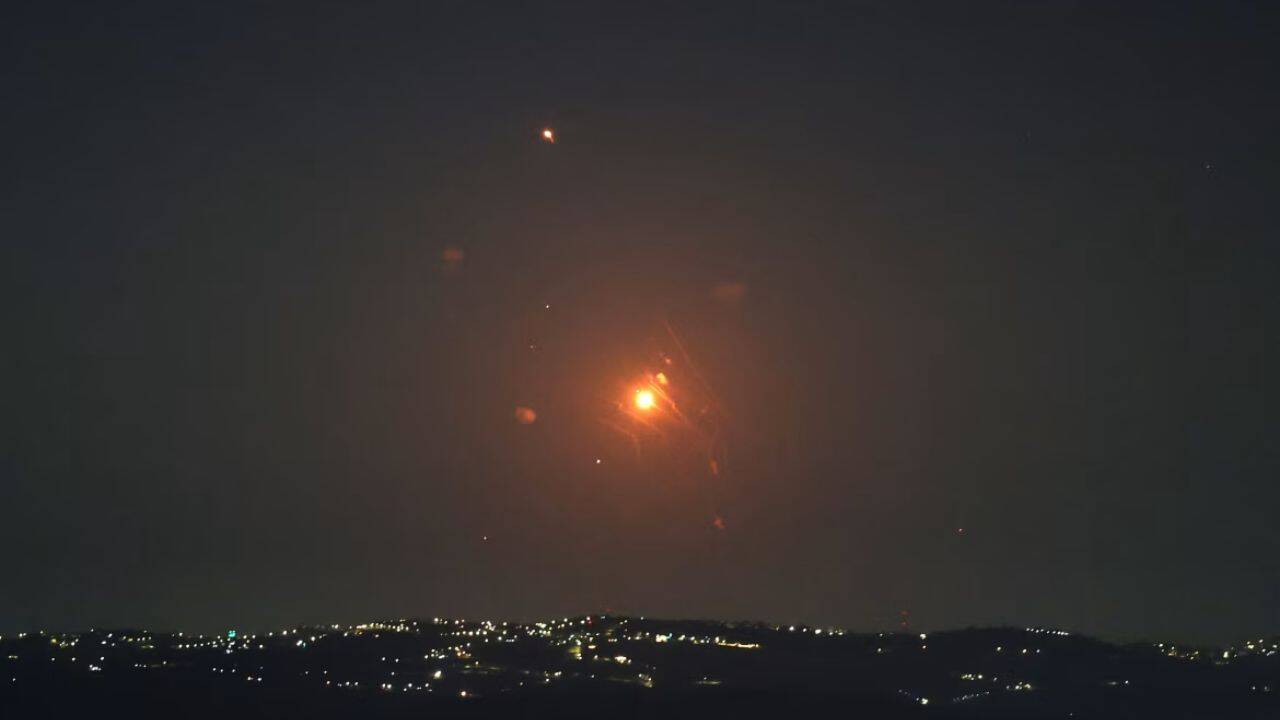
Recent defensive engagements against incoming missile volleys revealed a stark logistical imbalance where American air defense units expended up to seventy Patriot interceptors to neutralize a fraction of incoming threats. Iran has systematically refined its missile designs and deployment tactics specifically to saturate and exhaust western defense shields. This widening cost asymmetry threatens to deplete strategic stockpiles faster than industrial supply chains can replenish them. Defense analysts point to a fundamental procurement mismatch born from decades of prioritizing low volume, exquisite technology over high volume attrition warfare. While allied forces successfully intercept incoming strikes, the sheer financial and inventory burn rate creates a severe long term vulnerability. Pentagon officials are now scrambling to expand domestic manufacturing capacity before critical inventory thresholds are breached. The immediate consequence is a forced recalibration of allied defense deployment across volatile international theatres. Commanders must now weigh the diplomatic cost of withholding defensive cover against the existential danger of running completely dry on critical interceptor munitions during a sustained conflict.
Comments 0