Australia expands biometric requirements for visa applicants in India from October 26: What students need to know
Australia will begin requiring biometric data from Indian visa applicants, including students, starting October 26. The new rule means Indian students must schedule appointments to submit fingerprints and photographs before their applications can be processed.
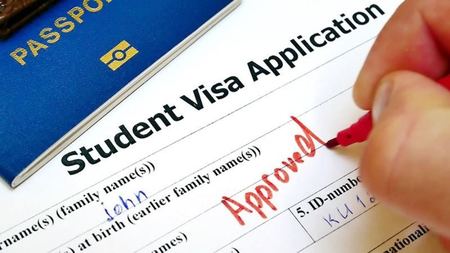
The Australian government announced that, from October 26, all Indian nationals applying for visas will need to provide biometric information as part of the application process. The biometric requirement includes a digital photograph and fingerprint scans, which will be collected at designated centers across India. Officials said the move aligns with global security standards and aims to streamline the verification of identity for travelers and temporary residents. The policy applies to a range of visa categories, with student visas being a major focus due to the high volume of applications.
For Indian students planning to study in Australia, the new rule introduces an additional step that could affect timelines. Applicants must first locate an approved biometric collection center, book an appointment, and attend in person to have their data captured. The process typically takes a few minutes, but scheduling delays may occur during peak periods such as the start of the academic year. Once the biometric data is submitted, it is linked to the visa application and reviewed by immigration officials before a decision is made. Students are advised to begin this process well ahead of their intended travel dates to avoid missing enrollment deadlines.
Australia remains one of the most popular destinations for Indian students, offering a wide range of courses and a reputation for high‑quality education. The biometric requirement could influence the overall experience of Indian applicants, prompting many to seek guidance from education consultants and university international offices. By understanding the new steps, students can better manage their preparation and maintain confidence in their plans to study abroad. The change also reflects broader efforts by governments to enhance border security while facilitating legitimate travel for education and work purposes.
Comments 0