Autonomous Arsenals Face Global Reckoning as the United Nations Demands an Immediate Prohibition on Lethal Autonomous Weapons
United Nations Secretary-General António Guterres has formally demanded a comprehensive international ban on autonomous weapons systems capable of selecting and engaging targets without human intervention. This diplomatic escalation forces military powers and defense contractors into an urgent confrontation over the ethics of algorithmic warfare.
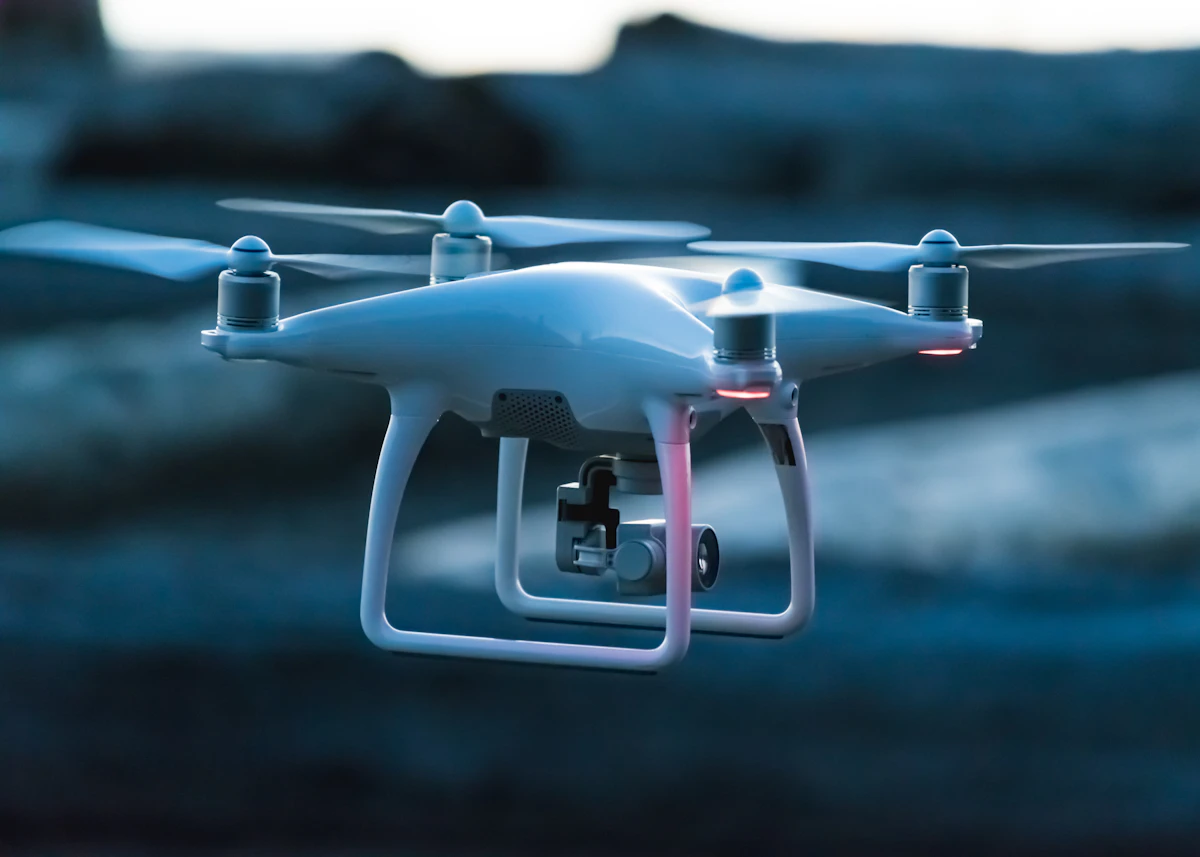
The ethical architecture of modern combat experienced a severe tremor when the leadership of the United Nations drew a definitive line against machines endowed with the prerogative of lethal force. Secretary-General António Guterres articulated a stark warning regarding the proliferation of weaponized artificial intelligence, asserting that delegating life and death decisions to silicon processors strips armed conflict of its remaining vestiges of human accountability. The initiative targets the rapid commercialization and militarization of drone swarms and robotic infantry units currently being integrated into advanced armed forces across the globe. Beneath the diplomatic appeals lies a fierce geopolitical race for military dominance, where major powers view autonomous capabilities as the ultimate asymmetric advantage. Defense ministries have consistently resisted binding international treaties, arguing that deterrence requires maintaining parity with rival states that are already investing heavily in unmanned combat systems. This resistance creates a profound institutional friction between international humanitarian law bodies, which seek to codify preemptive prohibitions, and sovereign military establishments determined to exploit the speed and efficiency of machine-driven combat. The immediate consequence of this standoff is an accelerated arms race characterized by opaque research and development programs hidden deep within military-industrial complexes. As multilateral consensus falters under the weight of great power competition, smaller states and civilian populations bear the rising vulnerability of unregulated robotic warfare systems entering regional conflicts. The ultimate outcome is a militarized future where automated lethality operates beyond the reach of traditional arms control treaties, permanently altering the threshold of international hostility.
Comments 0